
This post contains affiliate links, which means I will make a commission at no extra cost to you should you click through and make a purchase. As an Amazon Associate I earn from qualifying purchases.
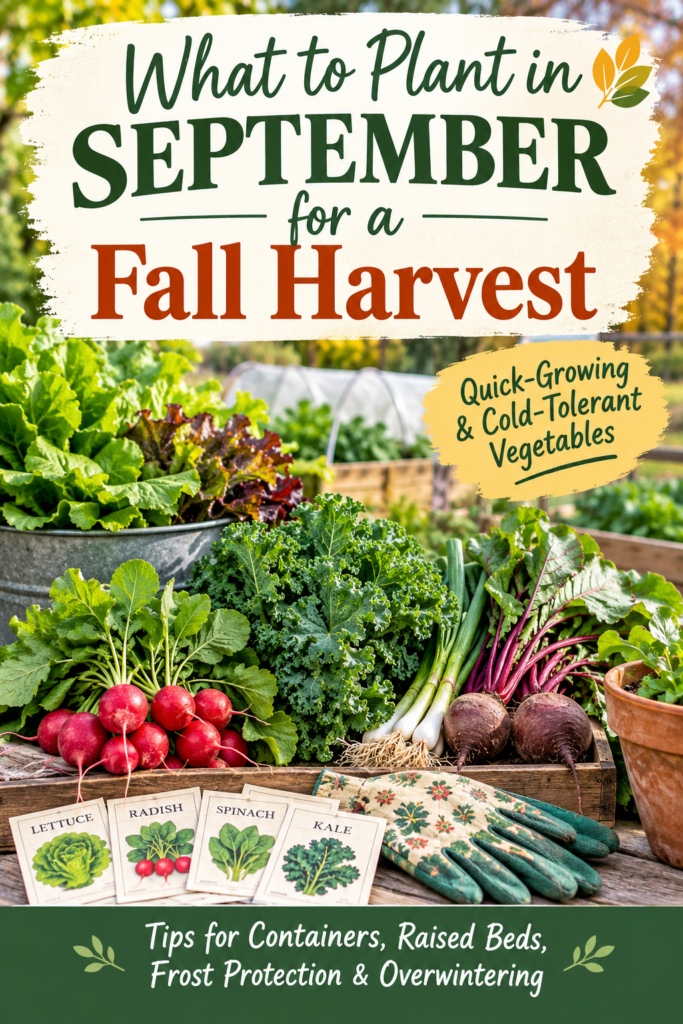
Wondering what to plant in September for a fall harvest? The end of summer doesn't have to mean the end of your vegetable garden. Many fast-growing and cold-tolerant vegetables can still be planted in September, especially if you choose the right varieties and give them a little protection when temperatures drop.
Even gardeners in colder northern climates can extend the growing season with leafy greens, radishes, root vegetables, and other cool-season crops. Containers, raised beds, row covers, and cold frames can help you keep harvesting well beyond the traditional summer gardening season.
The key is knowing your average first frost date and choosing vegetables that have enough time to mature—or that can tolerate a few frosty nights.
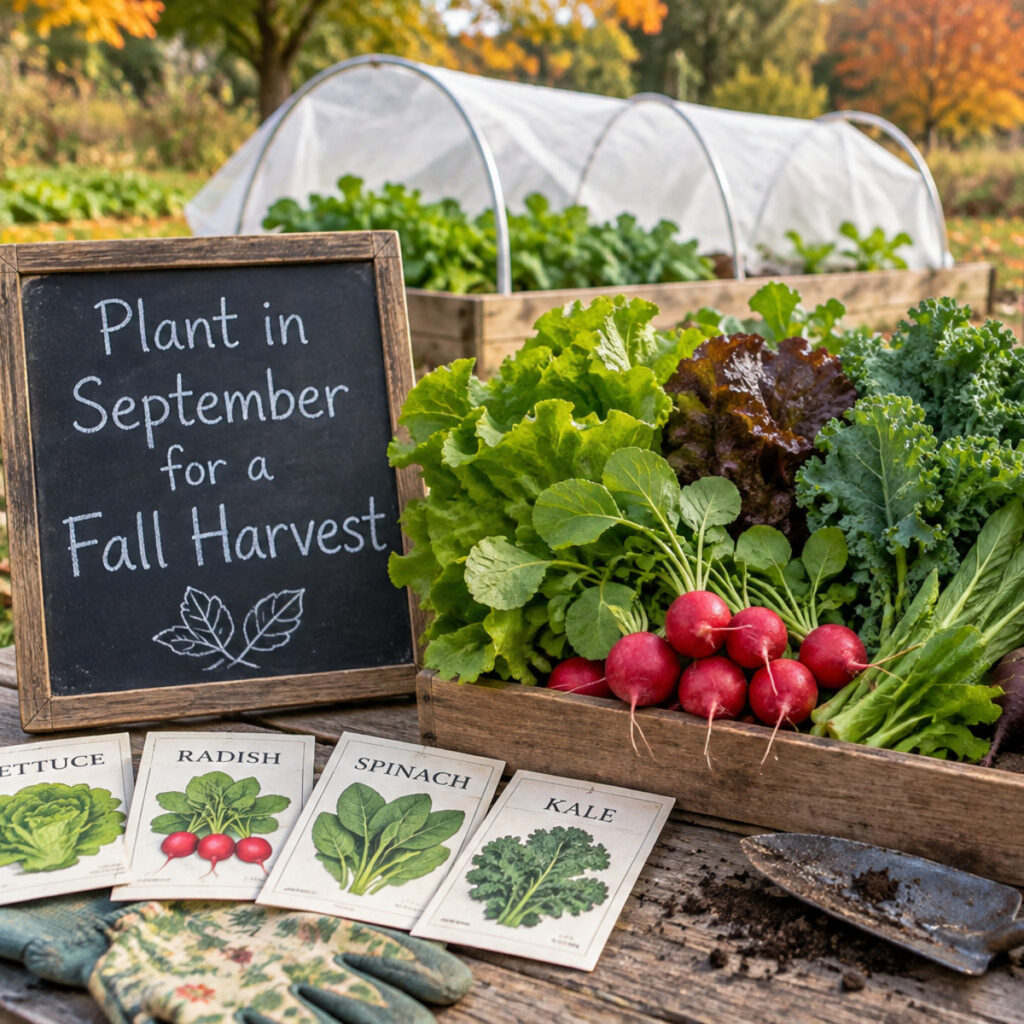
Can You Plant Vegetables in September?
Yes! September can be an excellent month to plant vegetables, although what you can grow depends heavily on where you live.
Gardeners in warm climates may still have months of growing weather ahead. In colder areas, the window is much shorter, so you'll want to concentrate on vegetables that grow quickly or tolerate cold temperatures.
Before planting, look up the average first frost date for your area. Keep in mind that this is only an average. Your first frost can arrive earlier or later in any particular year.
Then, check the "days to maturity" on your seed packet.
If your first frost is expected in about 40 days, for example, a vegetable that takes 25 to 30 days to mature is generally a better choice than one requiring 60 or 70 days.
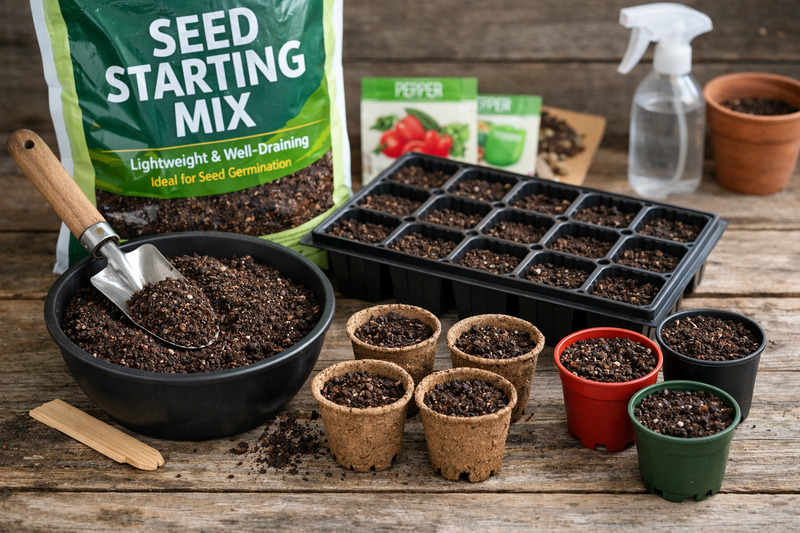
These vegetable seeds are a great way to begin.
What to Plant in September for a Fall Harvest
If you're trying to squeeze another harvest out of your garden, start with vegetables that mature quickly and perform well in cooler weather.
Radishes
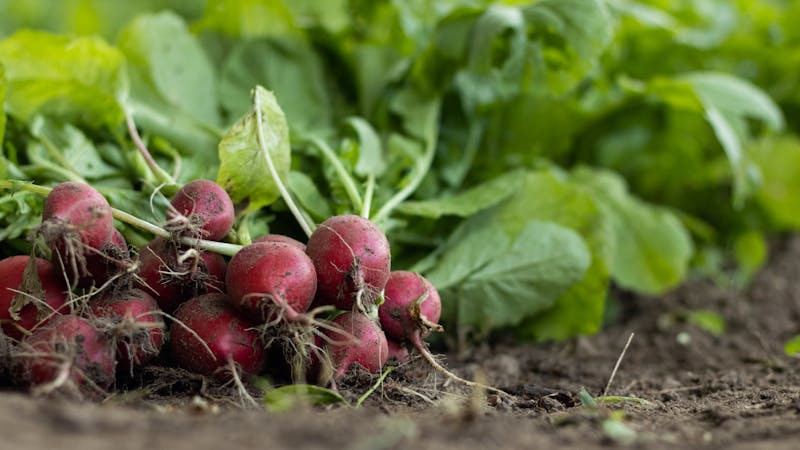
Radishes are one of the best vegetables to plant in September because many varieties are ready to harvest in about a month.
They also prefer cooler temperatures, making early fall an excellent time to grow them. Sow seeds directly in the garden about ½ inch deep, following the spacing recommendations for your variety.
For a longer harvest, plant a small amount every week or two while the weather allows.
Leaf Lettuce
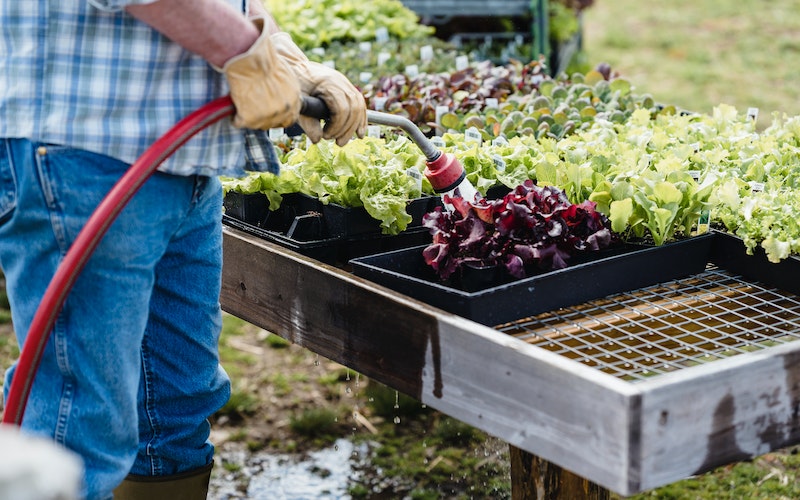
Leaf lettuce grows quickly and doesn't need the long growing season required by head lettuce.
You can harvest individual outer leaves while they're young rather than waiting for the entire plant to mature. This makes lettuce particularly useful when your first frost date is approaching.
Lettuce also grows well in containers, which gives you the option of moving pots to a protected location on especially cold nights.
Spinach
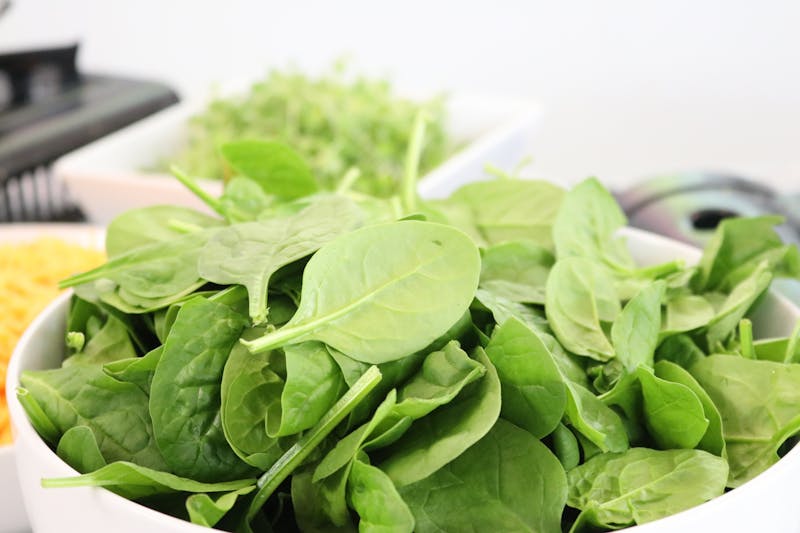
Spinach loves cool weather and is an excellent choice for a September vegetable garden.
You can harvest young spinach leaves for salads or allow the plants to grow larger if the weather cooperates. Established spinach is surprisingly tolerant of cold temperatures.
In colder climates, spinach planted in fall may stop growing during the coldest part of winter rather than dying completely. With protection, it may survive and begin producing again when temperatures warm in early spring.
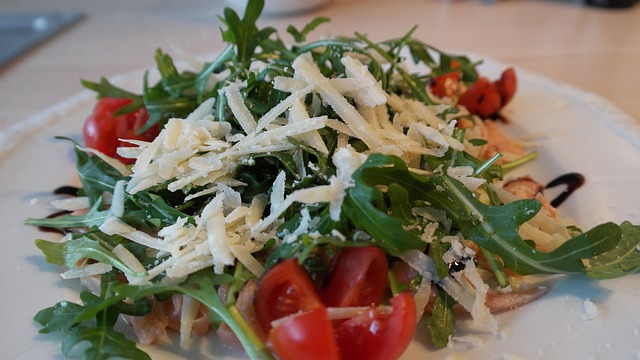
Arugula
If you want something that grows very quickly, plant arugula.
Baby arugula leaves can often be harvested well before the plant reaches full maturity. The cooler temperatures of fall can also be ideal for producing tender leaves.
Sow arugula directly in garden beds, raised beds, or containers.
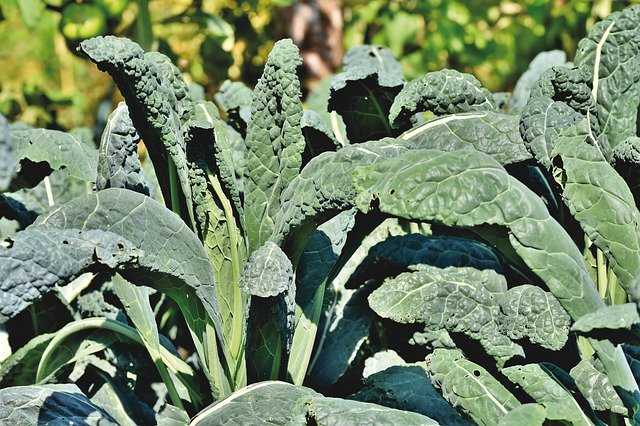
Kale
Kale is one of the most useful vegetables for extending the garden season because established plants tolerate cold weather very well.
You may not have time to grow enormous kale plants from a September sowing in a northern climate, but you can still harvest young leaves.
If you have kale already growing in your garden, don't pull it out just because summer is ending. It may continue producing well into fall.
Mustard Greens
Mustard greens grow quickly and prefer cooler temperatures. Harvest the young leaves for salads or allow them to grow larger for cooking.
They are a particularly good choice if you're looking for something different from the usual lettuce and spinach.
Turnips
Fast-growing turnip varieties can provide both edible roots and greens.
If your growing season is short, concentrate on harvesting the tender greens rather than waiting for large roots to develop.
Look for varieties with shorter days to maturity when planting in September.
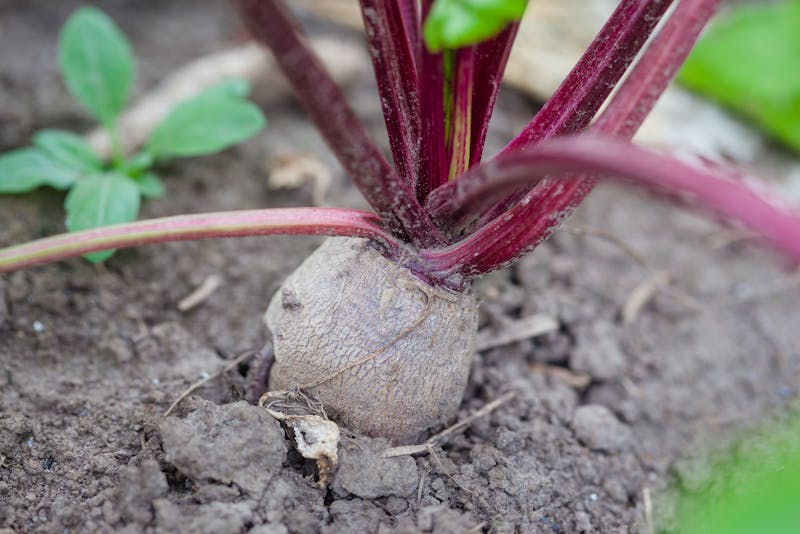
Beets
Beets are another vegetable that gives you two possible harvests: roots and greens.
In colder areas, September may be too late for large beet roots unless you plant very early in the month. However, you can still grow tender beet greens.
Gardeners in milder climates may have enough time for the roots to mature as well.
Green Onions
Green onions don't need to develop large bulbs to be useful in the kitchen.
Plant them for their mild green tops and harvest them while they're young. They work particularly well in containers and raised beds where you can keep them close to the house.
Asian Greens
Bok choy, tatsoi, mizuna, and other Asian greens are excellent additions to a fall garden.
Many varieties grow quickly and perform better in cool weather than in summer heat.
Check the seed packet carefully because days to maturity can vary significantly between varieties.
Best Vegetables to Plant in September in Colder Climates
If you garden in Vermont, New England, or another northern climate, September gardening requires a slightly different approach.
Rather than trying to start crops that require a long growing season, focus on:
- Radishes
- Spinach
- Leaf lettuce
- Arugula
- Mustard greens
- Baby kale
- Turnip greens
- Beet greens
- Fast-growing Asian greens
Choosing varieties specifically described as cold tolerant, frost tolerant, baby leaf, or early maturing can improve your chances of getting a useful harvest.
And don't assume that your first light frost means everything in the vegetable garden is finished. Many cool-season vegetables can tolerate light frost, particularly when they're protected.
Check Your First Frost Date Before Planting
Your average first frost date is one of the most important things to know when planning a September garden.
Once you know that date, count backward and compare the number of days remaining with the days to maturity listed on your seed packet.
However, days to maturity aren't a guarantee.
Plants grow more slowly as daylight decreases and temperatures cool. A vegetable labeled "30 days to maturity" may take longer when planted in September than it would during ideal spring conditions.
For that reason, give yourself extra time whenever possible.
If your frost date is very close, grow vegetables for baby leaves rather than waiting for full-sized plants.
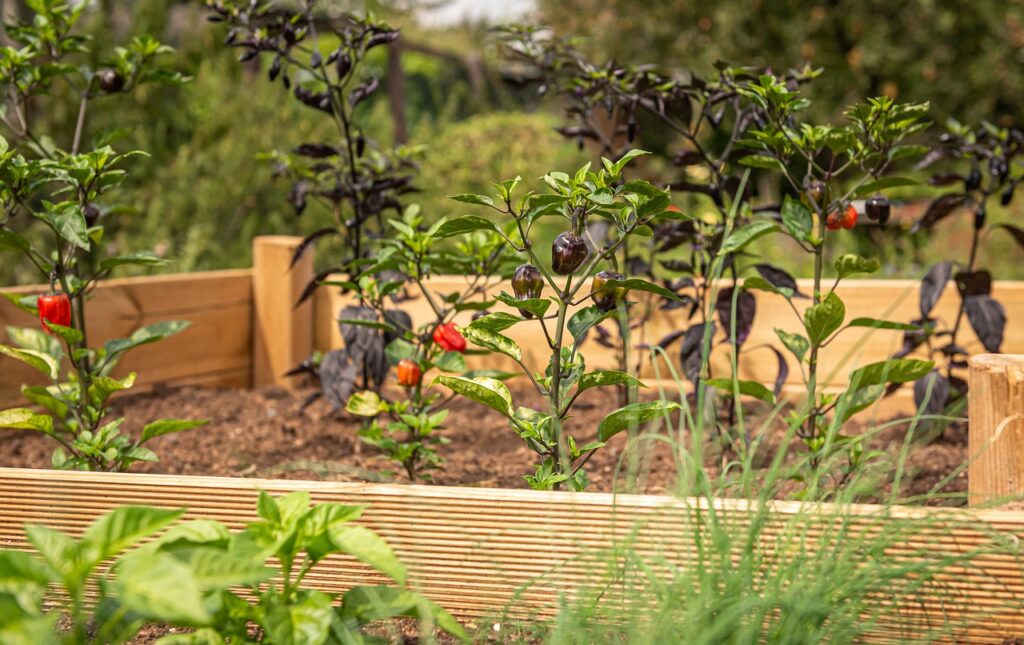
Plant a September Garden in Raised Beds
Raised beds are especially useful for fall gardening.
The soil is easy to work, you can plant crops close together, and adding frost protection is relatively simple. Small hoops can be installed over the bed and covered with lightweight garden fabric when cold nights arrive.
If you removed summer vegetables such as cucumbers, beans, or squash, use the newly available space for quick-growing fall vegetables.
Before planting, remove old plant debris and weeds and add compost if your soil needs refreshing.
Use garden hoops for creating a simple protective tunnel over a raised bed.
Growing Fall Vegetables in Containers
You don't need a large garden to plant vegetables in September.
Many cool-season vegetables grow beautifully in containers, including:
- Lettuce
- Spinach
- Arugula
- Radishes
- Green onions
- Baby kale
- Mustard greens
One advantage of containers is flexibility. When an unusually cold night is predicted, you may be able to move smaller pots against the house, onto a covered porch, or into another sheltered location.
Choose containers with drainage holes and use a quality potting mix rather than ordinary garden soil.
Keep an eye on soil moisture. Containers can dry out quickly, even when the weather isn't hot.
Protect Your Fall Garden From Frost
A little frost protection can make a surprisingly big difference in how long your garden produces.
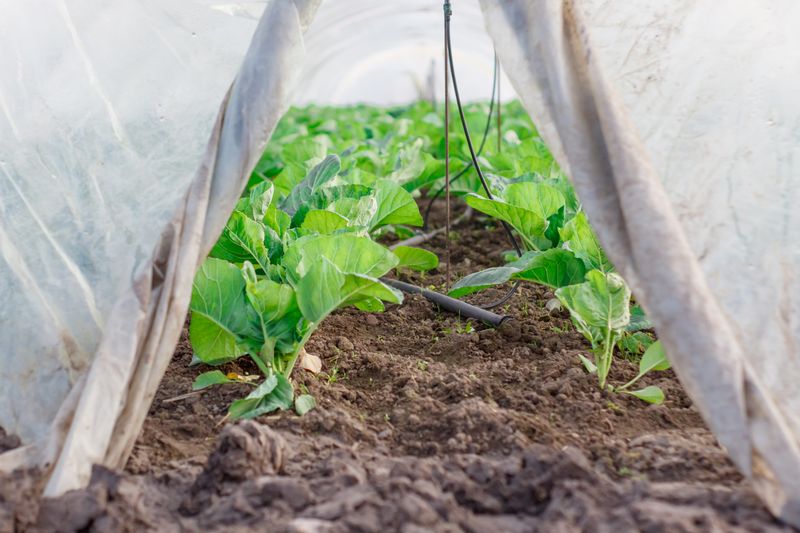
One of the simplest options is floating row cover. This lightweight garden fabric can help protect vegetables from chilly temperatures while allowing light and moisture to reach the plants.
You can lay lightweight row cover over crops or support it with garden hoops to keep the fabric above the plants.
Secure the edges so the fabric doesn't blow away on windy fall days.
For very small garden areas, you can also use cloches or other protective covers.
Avoid allowing plastic to rest directly against plant leaves during freezing weather.
Is a Cold Frame Worth It for Fall Gardening?
If you regularly garden in a cold climate, a cold frame can be one of the most useful tools for extending the growing season.
A cold frame is essentially a small, unheated structure with a transparent top. Sunlight warms the interior during the day while the enclosed structure provides additional protection from wind and cold temperatures.
Cold frames work especially well for:
- Lettuce
- Spinach
- Arugula
- Green onions
- Asian greens
- Other low-growing cool-season vegetables
Remember to ventilate a cold frame on warm, sunny days. Even when outdoor temperatures are cool, the inside can become surprisingly warm in direct sunlight.
Don't Forget Garden Gloves
Fall garden cleanup and planting often happen at the same time. You may be pulling out spent summer plants, spreading compost, sowing seeds, and preparing beds for colder weather.
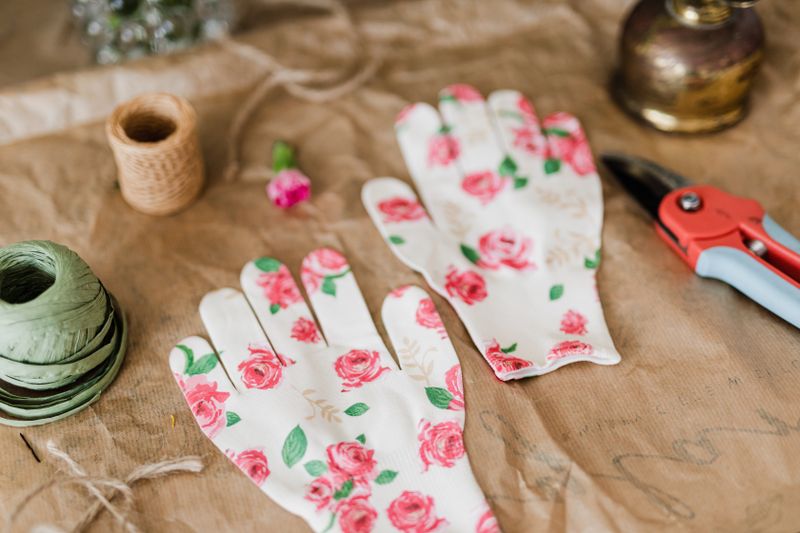
A sturdy pair of garden gloves can protect your hands while you're clearing beds and preparing soil for fall planting.
What Vegetables Can Overwinter?
Some vegetables planted in fall may survive winter rather than producing a full harvest before freezing weather arrives.
Whether this works depends on your climate, the variety, snow cover, and the amount of protection you provide.
Spinach is one of the best vegetables to experiment with. Well-established spinach can be very cold tolerant, especially beneath row cover or inside a cold frame.
Other possibilities include:
- Kale
- Certain hardy lettuces
- Green onions
- Some Asian greens
- Parsley
Growth will slow dramatically or stop when days become very short and temperatures remain cold. The goal isn't necessarily to harvest vegetables throughout the entire winter.
Instead, the plants may remain dormant and resume growing earlier in spring.
In very cold northern climates, protection with row cover, a low tunnel, or a cold frame can improve your chances of overwintering vegetables.
What About Garlic?
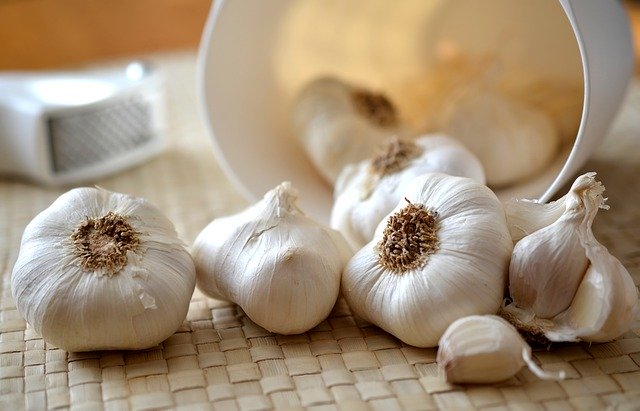
Garlic deserves a special mention because fall is an excellent time to plant it—but you won't harvest it this fall.
In many northern climates, garlic is planted in fall so it can establish roots before winter. It remains in the ground through the cold months and resumes growing in spring.
The bulbs are generally harvested the following summer.
So, if you're planning your September garden, check the recommended garlic planting time for your region. Depending on your climate, September may be the right time or you may need to wait until October.
Tips for a Successful September Vegetable Garden
Fall gardening is a little different from spring gardening. These simple strategies can help you get more from your September planting:
- Check your average first frost date. This gives you a realistic idea of how much growing time remains.
- Choose fast-growing varieties. Look for the shortest days to maturity you can find.
- Grow baby greens. You don't always need to wait for a vegetable to reach full size.
- Use containers and raised beds. They're easy to plant and protect as temperatures fall.
- Keep seeds moist. Early September can still be warm, and newly planted seeds shouldn't be allowed to dry out.
- Protect plants from early frost. Row cover, hoops, and cold frames can help you extend the season.
- Keep harvesting established vegetables. Kale, chard, herbs, and other existing plants may continue producing after heat-loving vegetables have finished.
- Experiment with overwintering. Spinach and other cold-hardy vegetables may surprise you by returning in early spring.
Keep Gardening After Summer Ends
Knowing what to plant in September for a fall harvest can help you get several more weeks—or even months—of use from your garden.
Start with fast-growing vegetables like radishes, arugula, lettuce, spinach, mustard greens, and Asian greens. If you're gardening in a colder northern climate, concentrate on baby greens and cold-tolerant varieties rather than vegetables that need months to mature.
Then, extend your season further with raised beds, containers, floating row cover, garden hoops, or a cold frame.
September doesn't have to signal the end of gardening season. With the right crops and a little frost protection, you can keep fresh vegetables coming from your garden long after summer has ended.