
This post contains affiliate links, which means I will make a commission at no extra cost to you should you click through and make a purchase. As an Amazon Associate I earn from qualifying purchases.
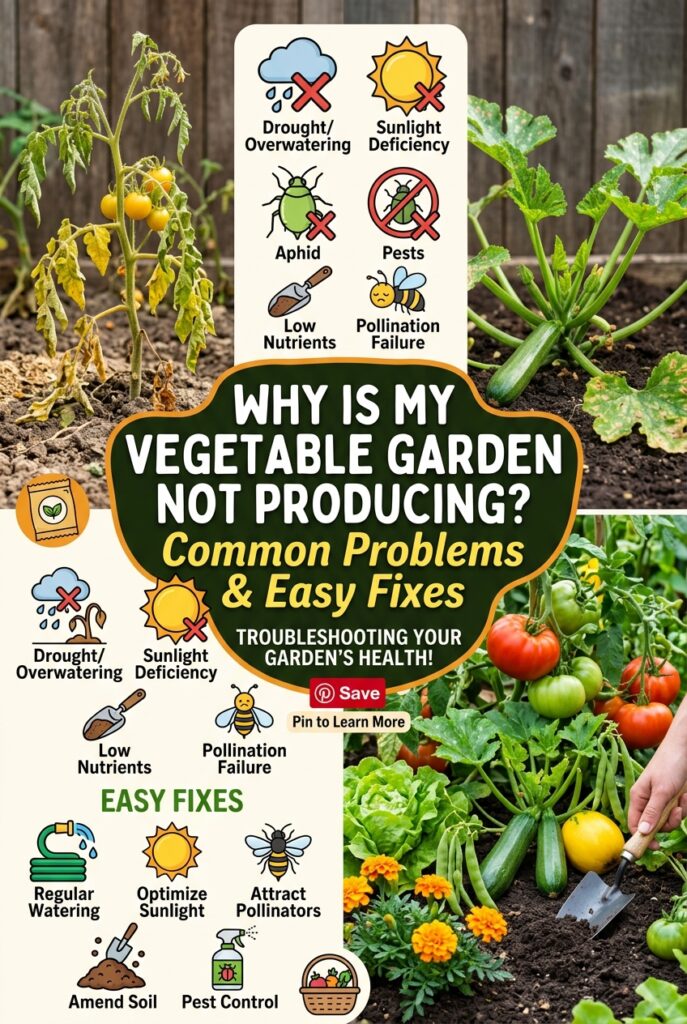
There’s nothing more frustrating than putting time, money, and effort into a vegetable garden only to end up with lots of healthy-looking plants and very few vegetables.
Maybe your tomato plants are huge but have barely produced any tomatoes. Your zucchini has plenty of leaves but no zucchini. Your pepper plants are flowering but not setting fruit. Or your plants simply seem to have stopped producing.
Before you give up on your garden, there are several common reasons this happens—and many are surprisingly easy to fix.
1. Your Plants Aren’t Getting Enough Sun
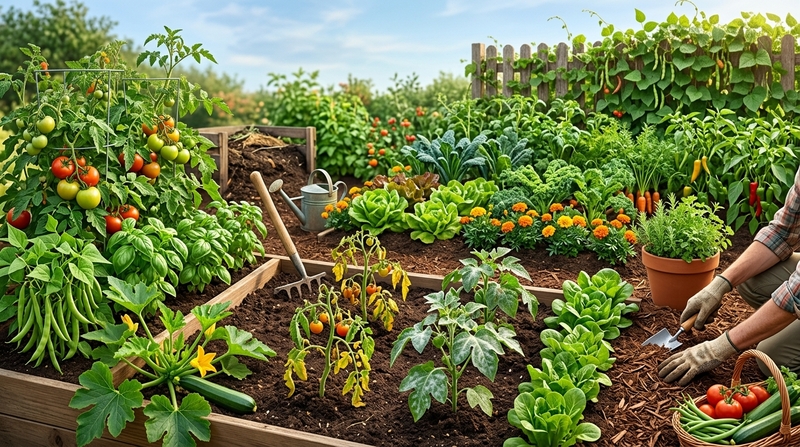
Most vegetables need plenty of sunlight to produce well. Tomatoes, peppers, cucumbers, squash, beans, and many other popular garden vegetables generally perform best with several hours of direct sunlight each day.
As the season progresses, nearby trees, shrubs, fences, or buildings can also change the amount of sunlight reaching your garden.
What to do:
Watch your garden throughout the day and see how much direct sunlight it actually receives. If possible, move containers or reposition portable planters to a sunnier location.
For permanent gardens, consider whether pruning overhanging branches or relocating the garden next season would help.
2. You Have Plenty of Flowers but No Vegetables
If your plants are flowering but aren't producing vegetables, pollination may be the problem.
This is especially common with squash, cucumbers, pumpkins, and other plants that depend heavily on pollinators.
A garden with fewer bees and other beneficial insects may struggle to set fruit.
How to Encourage Pollinators
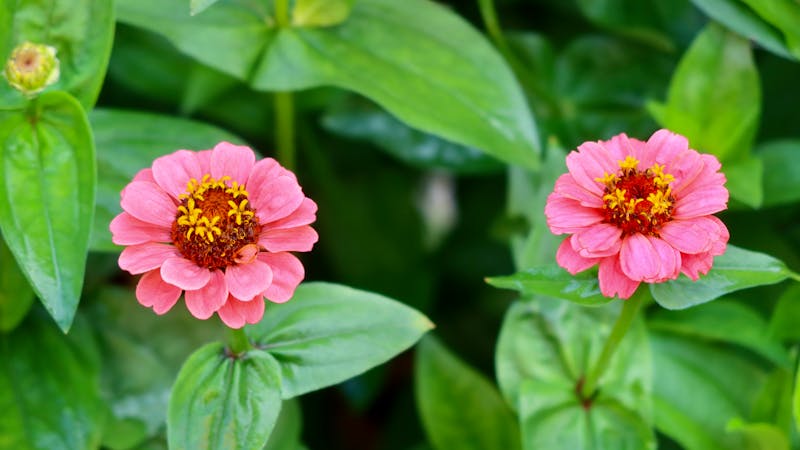
You don't necessarily need to purchase a special pollinator product. Adding flowering plants near your vegetable garden can help make your yard more attractive to bees and other beneficial insects.
Consider plants such as:
- Marigolds
- Zinnias
- Sunflowers
- Coneflowers
- Lavender
- Bee balm
- Native flowering plants
Avoid spraying broad-spectrum insecticides around flowering plants whenever possible, since these can harm beneficial insects as well as unwanted pests.
3. Your Soil May Be the Problem
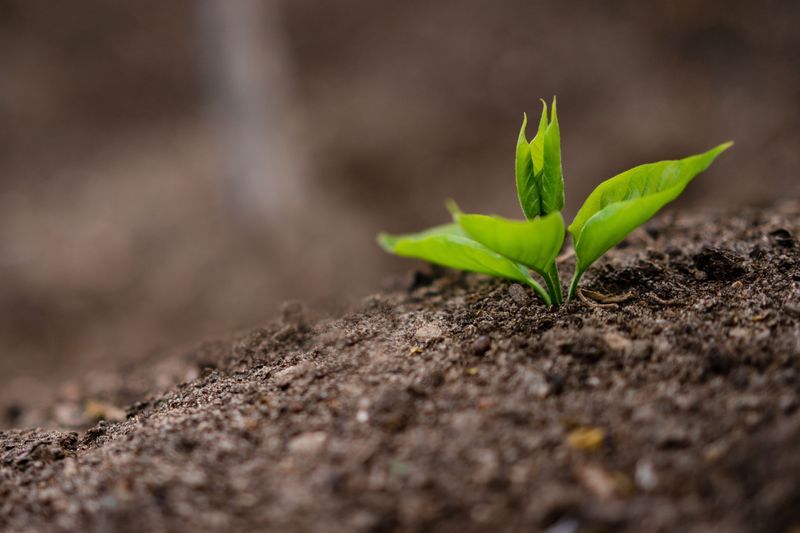
Plants need more than water and sunlight. Poor soil can make it difficult for vegetables to grow and produce properly.
Compacted soil, poor drainage, low organic matter, and nutrient deficiencies can all affect production.
If you're unsure what is happening underground, a soil test can be a worthwhile first step.
Rather than adding random fertilizers and hoping they help, testing your soil gives you a better idea of what it actually needs.
Adding finished compost is another common way to improve soil structure and organic matter.
4. You're Fertilizing Too Much
More fertilizer isn't always better.
Too much nitrogen can encourage plants to produce lots of beautiful green leaves while putting less energy into flowers and fruit.
This is one reason you may have a tomato plant that looks enormous but isn't giving you many tomatoes.
Follow the fertilizer directions carefully and choose a product appropriate for the type of vegetables you're growing.
If you're regularly adding compost or other amendments, remember that those additions contribute nutrients too.
5. You're Not Watering Consistently
Vegetable plants need consistent moisture, particularly while flowering and producing fruit.
Allowing plants to become extremely dry and then soaking them can create stress and may interfere with production.
The exact amount of water your garden needs depends on your soil, weather, plants, and whether they're growing in containers or directly in the ground.
Rather than watering according to a rigid schedule, check the soil and pay attention to rainfall.
A layer of mulch around plants can also help reduce evaporation and keep soil moisture more consistent. You can also add a soaker hose to your garden.
6. Your Plants Are Too Crowded
It's tempting to squeeze as many plants as possible into a garden.
Unfortunately, overcrowding can cause problems.
Plants competing for sunlight, water, nutrients, and air circulation may not produce as well. Dense growth can also create an environment where certain fungal diseases spread more easily.
Check the recommended spacing for each vegetable you're growing. If your plants are already crowded, you may need to thin some seedlings or remove weaker plants.
For future gardens, pay close attention to spacing when planting.
7. Your Plants Need Support
Some vegetables naturally grow better when they're given something to climb.
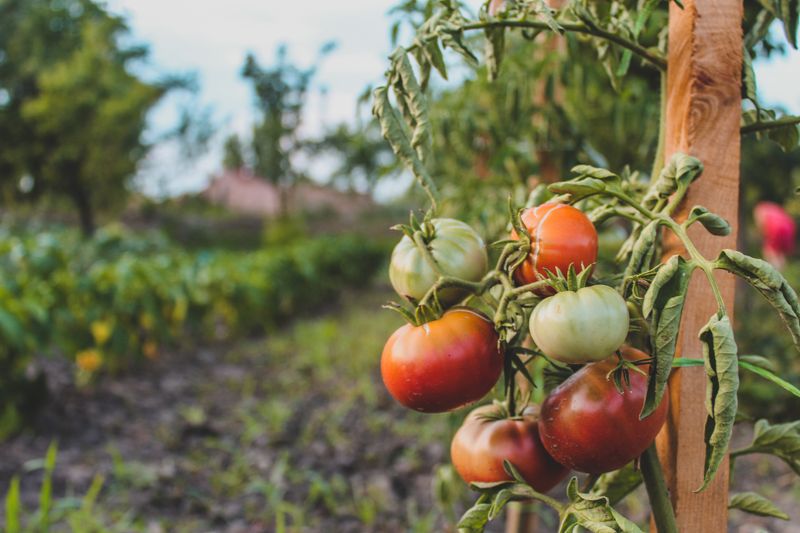
Cucumbers, peas, pole beans, and some tomato varieties can benefit from trellises or other garden supports.
Keeping plants off the ground can improve air circulation and make harvesting easier. It can also help you make better use of a small garden space. Tomato cages can also be helpful.
8. You Aren't Pruning or Training Certain Plants
Some vegetables benefit from occasional pruning or training, although not every vegetable should be pruned.
Tomatoes are a common example. Depending on the variety, removing certain unwanted growth and providing appropriate support can help keep the plant manageable.
The important thing is to know what you're growing before reaching for the pruning shears.
Don't assume that removing lots of leaves will automatically increase production. Plants need their leaves for photosynthesis.
9. Your Garden Is Too Hot or Too Cold
Temperature can have a surprisingly large effect on vegetable production.
Some vegetables thrive in warm weather, while others prefer cooler conditions. Tomatoes and peppers may struggle with certain temperature extremes, while cool-season crops such as lettuce and spinach can bolt when temperatures rise.
If your plants suddenly stop producing during a period of extreme heat, the weather may be partly responsible.
Shade cloth can sometimes help protect plants during exceptionally hot weather, while row covers can provide protection during cooler periods.

10. You're Growing the Wrong Variety for Your Conditions
Not every vegetable variety performs equally well in every garden.
A variety that produces beautifully in one climate may struggle somewhere else.
When choosing seeds or plants, look for varieties suited to your growing zone and local conditions.
Pay attention to:
- Days to maturity
- Heat tolerance
- Cold tolerance
- Disease resistance
- Container suitability
- Determinate vs. indeterminate growth for tomatoes
- Bush vs. vining varieties
Choosing the right variety can save you a lot of frustration.
11. Pests May Be Interfering With Production
Sometimes the problem isn't obvious until you look closely.
Aphids, cucumber beetles, squash bugs, caterpillars, and other garden pests can damage plants and interfere with their ability to produce.
Check underneath leaves as well as on top. Look for holes, curling leaves, sticky residue, eggs, chewed stems, and other signs of insect activity.
Don't automatically assume every insect is harmful, though. Many insects are beneficial garden visitors.
Identify the pest before treating the problem whenever possible.
12. You're Expecting a Bigger Harvest Than Your Garden Can Produce
Sometimes your garden actually is producing—you just planted more plants than you need or you're comparing your harvest to someone else's.
Container gardens, small raised beds, and backyard gardens all have limits.
Instead of trying to grow everything, consider concentrating on vegetables your household uses frequently.
For example, if your family eats lots of fresh herbs, tomatoes, or peppers, dedicating more space to those crops may make your garden feel much more productive.
A Quick Vegetable Garden Troubleshooting Checklist
If your vegetable garden isn't producing, work through these questions:
- Is the garden getting enough sunlight?
- Are the plants getting consistent moisture?
- Is the soil healthy and well-draining?
- Have you tested the soil?
- Are you using too much nitrogen fertilizer?
- Are your plants overcrowded?
- Are flowers being pollinated?
- Are pests damaging the plants?
- Do your plants need support?
- Are you growing varieties suited to your climate?
- Has extreme heat or cold affected production?
- Are you giving the plants enough time to mature?
You don't necessarily need to replace your entire garden or spend a fortune on gardening supplies. Finding the actual problem first can save you both money and frustration.
The Best Place to Start
If your vegetable plants look healthy but aren't producing, don't immediately assume you need more fertilizer.
Start by looking at the basics: sunlight, water, soil, pollination, temperature, pests, and plant spacing.
Once you identify the problem, make one or two changes and give your plants some time to respond.
And if you're planning next year's garden, keep notes about what worked, what didn't, and which varieties produced the best harvest. Those notes can be more valuable than any gardening product you buy.