
This post contains affiliate links, which means I will make a commission at no extra cost to you should you click through and make a purchase. As an Amazon Associate I earn from qualifying purchases.
If you've still got green tomatoes hanging on your plants when the first frost is approaching, don't give up on your harvest just yet!
One of the most frustrating parts of fall vegetable gardening is watching the temperatures drop while your tomato plants are still covered with fruit. You spent months watering, weeding, and caring for those plants, and now it looks like the growing season might end before everything ripens.
Fortunately, you don't have to leave all those green tomatoes behind.
Some green tomatoes will ripen indoors after you pick them. Others can be used in delicious recipes, and you may even be able to protect your plants long enough to harvest a few more ripe tomatoes.
Here's what to do with green tomatoes before frost arrives, including when to pick them, how to ripen them indoors, and which ones are worth saving.
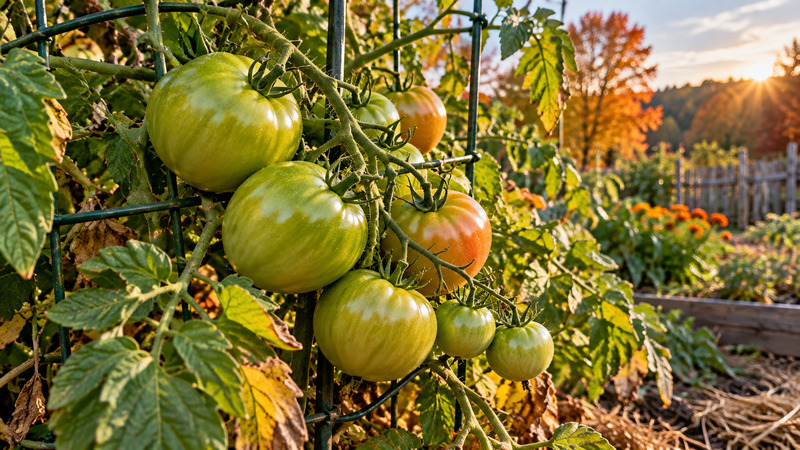
Should You Pick Green Tomatoes Before the First Frost?
Yes, if frost is expected and your tomatoes haven't finished ripening, it's usually best to harvest the mature green tomatoes you want to save.
Tomato plants are sensitive to freezing temperatures. A frost can damage the leaves, stems, and fruit, bringing the growing season to an abrupt end.
You don't necessarily have to harvest every green tomato as soon as the nights become chilly. If the weather forecast shows several more frost-free days, you may be able to leave them on the vine a little longer.
However, once frost is approaching, it's time to make a decision.
A good rule of thumb: Harvest ripe, partially ripe, and mature green tomatoes before a predicted frost rather than risking damage to the fruit.
This is particularly important in northern gardens, where temperatures can change quickly in the fall.
How to Tell Which Green Tomatoes Will Ripen Indoors
Not every green tomato will turn red after you pick it.
The key is determining whether the tomato has reached the mature green stage.
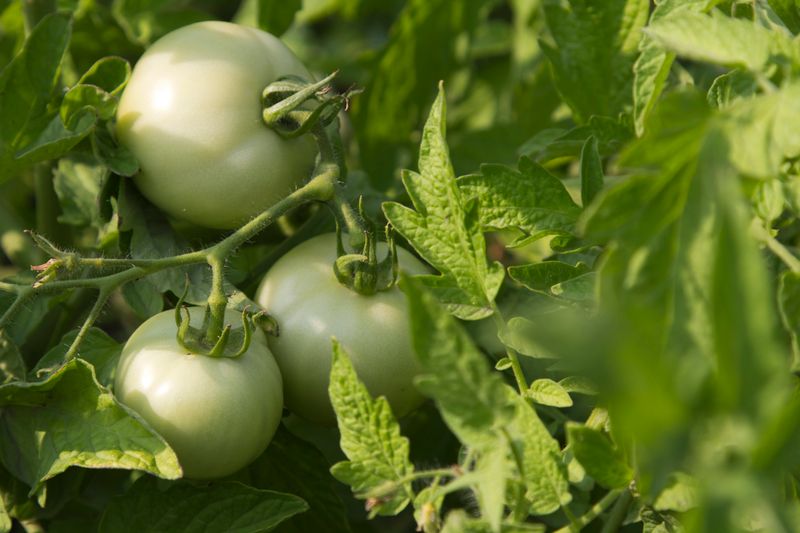
A mature green tomato has developed enough to continue the ripening process after harvest.
Signs a green tomato is mature enough to ripen
Look for tomatoes that:
- Have reached nearly their expected full size
- Feel firm rather than hard and underdeveloped
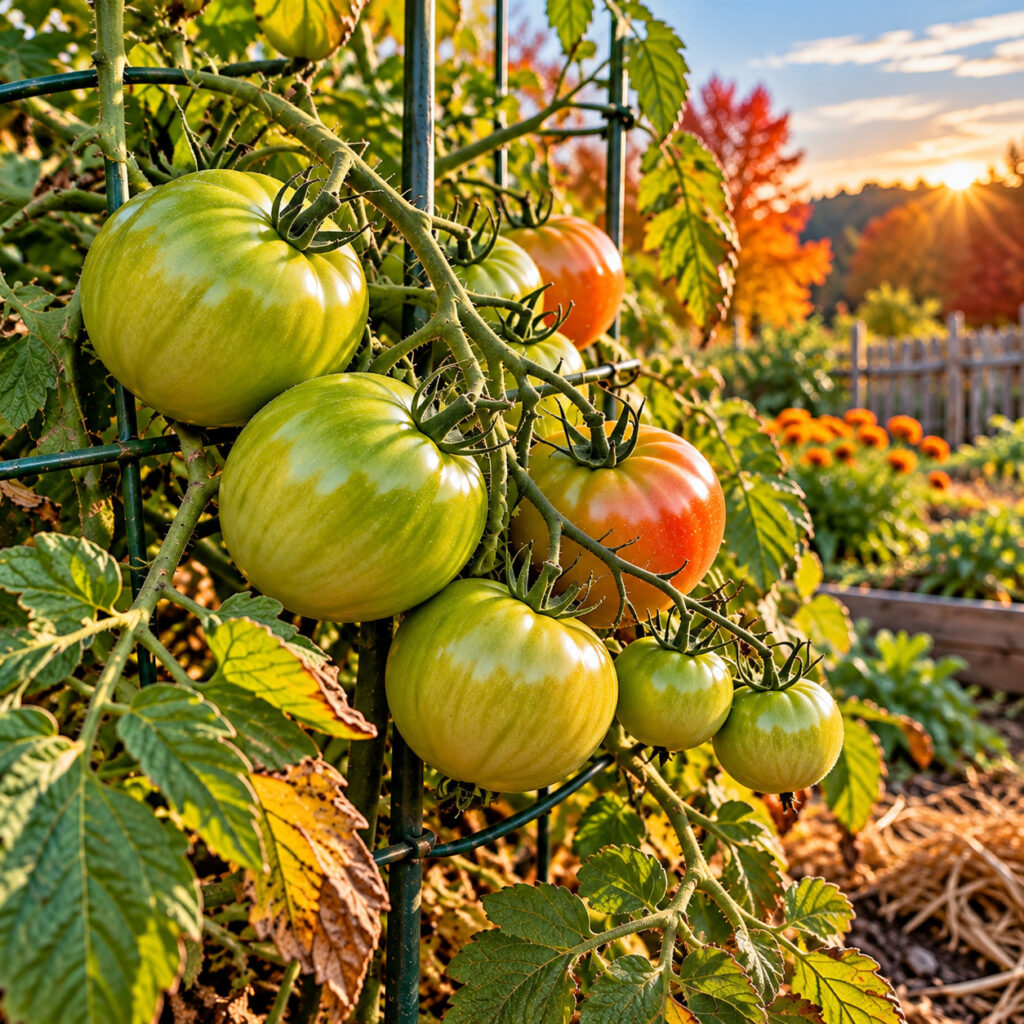
- Have a glossy, lighter green appearance
- May show a whitish or pale green area near the blossom end
- Are beginning to develop a pink, yellow, or orange blush
- Have healthy skins without cracks, soft spots, or signs of disease
Tomatoes that have already started changing color are especially good candidates for indoor ripening.
Which green tomatoes probably won't ripen?
Very small, immature tomatoes are less likely to ripen successfully after harvest.
These tomatoes are often dark green, hard, and noticeably smaller than the mature fruit on the same plant.
If you pick them too early, they may remain green, shrivel, or spoil instead of developing normal ripe color and flavor.
That doesn't mean you need to throw them all away. Some healthy green tomatoes can be used in cooked recipes instead.
How to Harvest Green Tomatoes Before Frost
Harvesting green tomatoes is simple, but a little care can help them last longer indoors.
Step 1: Check the weather forecast
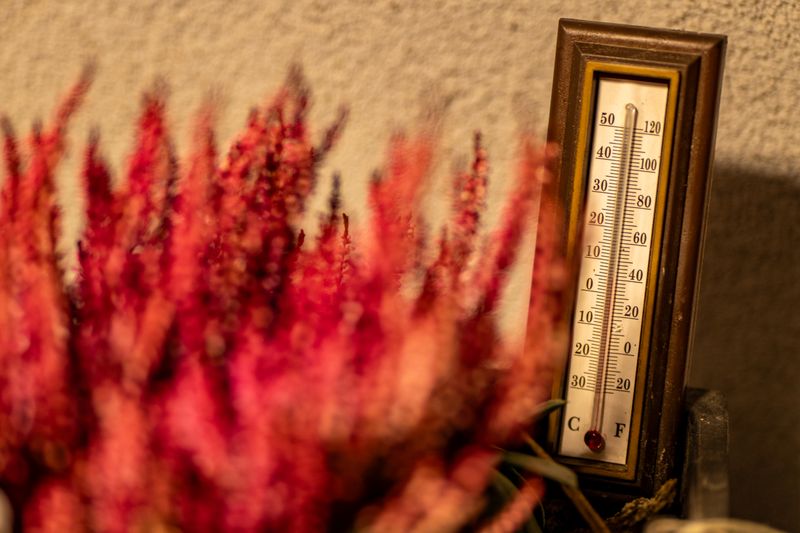
Look at the overnight low temperatures for the next several days.
If frost is predicted, plan to harvest your tomatoes before temperatures drop below freezing.
Don't wait until the following morning to see whether the plants survived.
Step 2: Pick the healthiest tomatoes
Choose firm, mature tomatoes without visible damage.
Separate any tomatoes that have cracks, bruises, soft spots, or signs of disease.
Damaged tomatoes are more likely to spoil in storage.
Step 3: Remove the tomatoes carefully
Use clean garden pruners or gently remove the fruit without tearing the skin.
Remove long stems before storage so they don't puncture nearby tomatoes.
Handle the fruit carefully to prevent bruising.
Step 4: Clean and dry the tomatoes
Remove loose dirt and gently wash the tomatoes if needed.
Dry them thoroughly before putting them into boxes or bags.
Extra moisture can encourage mold and decay during storage.
Step 5: Sort your harvest
Separate your tomatoes into three groups:
- Tomatoes already beginning to change color
- Mature green tomatoes that are still completely green
- Small, immature green tomatoes
This makes it easier to decide which tomatoes to ripen indoors and which to use in recipes.
How to Ripen Green Tomatoes Indoors
One of the easiest ways to save your fall tomato harvest is to let mature green tomatoes ripen inside your home.
You don't need a sunny windowsill or special equipment.
Tomatoes continue ripening because of a naturally occurring plant hormone called ethylene.
As long as the fruit is mature enough and the conditions are suitable, it can gradually change color after being picked.
Method 1: Ripen green tomatoes on the counter
This is the simplest option when you only have a few tomatoes.
Place the tomatoes in a single layer on a tray, shallow box, or countertop lined with paper.
Leave a little space between each tomato.
Choose a location away from direct sunlight where the temperature stays reasonably consistent.
Check the tomatoes every day or two.
Remove them as they ripen, and discard any that develop mold or decay.
This method is convenient because you can easily see which tomatoes are ready to use.
Method 2: Ripen green tomatoes in a cardboard box
If you have a larger harvest, a cardboard box works well.
Line the bottom with newspaper or clean paper towels.
Arrange the mature green tomatoes in a single layer, preferably without touching.
You can loosely cover them with another sheet of paper.
Keep the box in a cool indoor location where temperatures generally remain between 60°F and 70°F.
Check the tomatoes every few days.
Remove ripe tomatoes and discard any that are spoiling.
For a very large harvest, you can wrap individual tomatoes in newspaper to reduce contact between fruits.
Avoid tightly packing the box or leaving it somewhere damp.
Method 3: Use a paper bag to speed up ripening
If you want a few tomatoes to ripen sooner, try placing them in a paper bag with a ripe tomato or banana.
Ripe fruit releases ethylene gas, which can encourage mature green tomatoes to ripen.
Fold the top of the bag loosely rather than sealing it airtight.
Keep it at room temperature and check the contents daily.
This works best with tomatoes that are already mature enough to ripen.
A paper bag won't turn a very immature tomato into a fully developed ripe tomato.
Do Green Tomatoes Need Sunlight to Ripen Indoors?
No. Green tomatoes don't need direct sunlight to ripen after harvesting.
In fact, placing them on a sunny windowsill isn't necessary.
Temperature and the tomato's stage of maturity are more important than light.
A windowsill may also expose tomatoes to uneven temperatures, especially during chilly fall nights.
A kitchen counter, pantry shelf, or shallow box in a suitable indoor location is usually a better choice.
How Long Does It Take Green Tomatoes to Ripen Indoors?
The time depends on how mature the tomatoes are and how warm you keep them.
Tomatoes that have already started changing color may ripen within a few days.
Mature green tomatoes often take longer.
| Storage temperature | Approximate ripening time |
|---|---|
| 65°F to 70°F | Around 2 weeks |
| 60°F to 65°F | Often 2–4 weeks |
| Around 55°F | Slower, often 3–4 weeks or longer, with reduced quality possible |
| Below 50°F | Not recommended for ripening |
These are approximate times, not guarantees.
Check the fruit regularly instead of relying on a specific number of days.
Gardening tip: If you want tomatoes to ripen gradually instead of all at once, keep some mature green tomatoes in a slightly cooler indoor location and move a few into a warmer room as needed.
Avoid temperatures below 50°F because prolonged exposure to cold can interfere with normal ripening and flavor development.
Can You Leave Green Tomatoes on the Vine During a Light Frost?
Sometimes you can protect tomato plants from a brief, light frost, but it depends on the weather and how well the plants are covered.
If the forecast calls for temperatures just below freezing for a short period, a frost cloth may help protect your plants.
However, frost protection isn't guaranteed.
How to protect tomato plants from a light frost
Use a garden frost cloth or other appropriate plant covering.
Cover the plants before temperatures drop in the evening.
Extend the covering all the way to the ground and secure the edges so it traps some warmth from the soil.
Support the covering if necessary to avoid damaging the plants.
Remove or ventilate the covering when daytime temperatures rise, according to the material's instructions.
If possible, avoid allowing heavy covers to rest directly on delicate foliage.
When should you stop trying to protect the plants?
If the forecast calls for a hard freeze, several freezing nights, or increasingly cold daytime temperatures, harvesting the remaining mature tomatoes is usually the more practical option.
You don't want to lose an entire harvest trying to extend the growing season by just a few days.
For more ideas about extending your vegetable gardening season, see my article on what to plant in September for a fall harvest.
What to Do With Small Green Tomatoes That Won't Ripen
After sorting your harvest, you may discover that you have quite a few small, immature tomatoes.
These are unlikely to ripen normally indoors.
Instead of putting them in a box for several weeks and hoping for the best, consider using healthy green tomatoes in recipes where their tart flavor is an advantage.
Here are a few ideas.
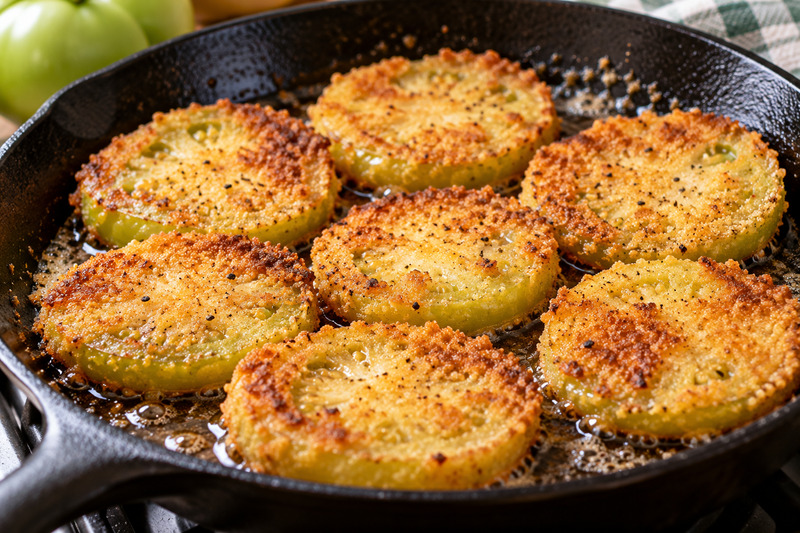
Fried green tomatoes
Slice firm green tomatoes, coat them with seasoned flour or cornmeal, and cook them until golden.
They're a classic way to use tomatoes that haven't ripened.
Green tomato relish
Chopped green tomatoes can be combined with onions, peppers, vinegar, and seasonings to make a tangy relish.
If you plan to preserve relish in jars, use a tested canning recipe from a reliable food-preservation source.
Green tomato chutney
Green tomatoes work well in a cooked chutney with onions, vinegar, sugar, and spices.
Serve it with sandwiches, roasted vegetables, or other savory dishes.
Green tomato salsa
You can make a cooked salsa using green tomatoes, peppers, onions, and seasonings.
For shelf-stable canning, follow a tested recipe rather than changing ingredient proportions.
Green tomato pie
Green tomatoes can even be used in sweet baked dishes.
Their tartness works well with sugar and warm spices.
Important: Only use sound, healthy tomatoes for cooking. Discard fruit that is moldy, rotten, or otherwise spoiled. Green tomatoes should be eaten in normal food portions rather than large quantities of raw, very immature fruit.
Can You Pull Up the Entire Tomato Plant to Ripen the Fruit?
Yes, some gardeners pull up a tomato plant before frost and hang it upside down in a protected location.
The remaining mature tomatoes may continue ripening on the plant.
This method requires more space than storing individual tomatoes in a box.
If you want to try it, choose a healthy plant and hang it somewhere protected from freezing temperatures.
A garage or basement may work if it stays within a suitable temperature range.
Check the tomatoes regularly and remove them as they ripen.
However, this isn't necessarily better than harvesting the tomatoes individually.
If your plant is diseased, badly damaged, or covered with immature fruit, you're probably better off picking the healthy mature tomatoes and composting or disposing of the plant appropriately.
Common Mistakes When Ripening Green Tomatoes Indoors
Even mature green tomatoes can spoil if they're stored incorrectly.
Here are some mistakes to avoid.
Putting tomatoes in the refrigerator
Cold temperatures can interfere with the ripening process.
Don't refrigerate mature green tomatoes that you're trying to ripen.
Keep them at a suitable indoor temperature instead.
Leaving tomatoes in direct sunlight
A sunny window isn't necessary for ripening and can expose the fruit to excessive heat or temperature fluctuations.
Choose a more consistent location.
Storing damaged tomatoes with healthy ones
One rotting tomato can create problems for nearby fruit.
Inspect your harvest before storage and remove damaged tomatoes.
Forgetting to check the tomatoes
Don't put a box of green tomatoes in the basement and forget about it for a month.
Check every few days so you can remove ripe fruit and catch signs of spoilage early.
Keeping the tomatoes too damp
Excess moisture can encourage mold.
Dry tomatoes before storage and avoid airtight containers that trap condensation.
Expecting tiny green tomatoes to turn red
A tomato needs to reach a certain stage of maturity before it can ripen normally after harvest.
Very immature fruit may never develop the color, texture, or flavor you're hoping for.
What Should You Do With Green Tomatoes? Quick Reference
| What you have | Best next step |
|---|---|
| Red or nearly ripe tomatoes | Harvest before frost and use soon |
| Tomatoes starting to blush | Pick and finish ripening indoors |
| Full-size, glossy light green tomatoes | Harvest and store for indoor ripening |
| Small, hard, dark green tomatoes | Use healthy fruit in suitable cooked recipes rather than expecting it to ripen |
| Healthy plants facing a brief light frost | Consider frost cloth if you want to extend the season |
| Plants facing a hard freeze | Harvest mature fruit before freezing temperatures arrive |
| Tomatoes with mold or rot | Discard |
Helpful Supplies for Saving Your Fall Tomato Harvest
You probably already have most of what you need at home.
However, a few inexpensive gardening supplies can make harvesting and storing tomatoes easier.
Garden pruning shears: Useful for cutting tomatoes from vines without tearing or damaging the fruit.
Harvest basket: Makes it easier to collect tomatoes without crushing them.
Frost cloth: Can help protect tomato plants during some brief light frost events.
Indoor thermometer: Helps you find a suitable place to store tomatoes while they ripen.
Shallow cardboard boxes: Perfect for storing tomatoes in a single layer, and you may already have some available for free.
You don't need to buy special tomato-ripening equipment. In most cases, simple household supplies work perfectly well.
Frequently Asked Questions About Green Tomatoes and Frost
Will green tomatoes ripen after being picked?
Yes, mature green tomatoes can ripen after harvest.
Look for tomatoes that have reached nearly full size and have a glossy, lighter green appearance.
Very immature tomatoes may not ripen successfully.
What is the fastest way to ripen green tomatoes?
Place mature green tomatoes in a loosely closed paper bag with a ripe tomato or banana at room temperature.
The ethylene released by ripe fruit can encourage ripening.
Check the bag daily for ripe or spoiled tomatoes.
Can you ripen green tomatoes in a sunny window?
You can place tomatoes near a window, but sunlight isn't necessary.
A room with a consistent, moderate temperature is usually a better choice than a windowsill that becomes hot during the day and cold at night.
What temperature is too cold for green tomatoes?
Tomato plants can be damaged by freezing temperatures, and green tomatoes being ripened indoors should generally be kept above 50°F.
For reliable indoor ripening, temperatures around 60°F to 70°F are a practical choice.
Should I wash green tomatoes before storing them?
You can gently clean harvested tomatoes, but make sure they are completely dry before storage.
Excess moisture encourages spoilage.
Handle them carefully and avoid damaging the skin.
Can I eat tomatoes that were exposed to frost?
It depends on the condition of the fruit.
Tomatoes that remain firm and undamaged after a light frost may still be usable, but freezing can damage the tissues and shorten their storage life.
Do not attempt to store frost-damaged, softening fruit for weeks of indoor ripening. Discard any fruit showing spoilage.
Harvesting before frost is the safer way to preserve quality.
Can I freeze green tomatoes?
Yes. Healthy green tomatoes can be prepared and frozen for later use in cooked dishes.
Wash, dry, and prepare them according to how you plan to use them.
Frozen tomatoes will soften after thawing, so they are generally better for cooked recipes than fresh salads.
Final Thoughts
If the first frost is approaching and your tomato plants are still covered with green fruit, don't assume your gardening season was a failure.
You may be able to save much more of your harvest than you think.
Start by picking the tomatoes that are already ripe or beginning to change color. Then gather the mature green tomatoes that have the best chance of ripening indoors.
Store them carefully, check them regularly, and use the smaller green tomatoes in recipes instead of waiting for them to turn red.
With a little planning, you can continue enjoying tomatoes from your garden even after the outdoor growing season has ended.
And next year, consider planting a few early-maturing tomato varieties alongside your favorites to improve your chances of harvesting ripe tomatoes before fall frost arrives.
Leave a Reply