
This post contains affiliate links, which means I will make a commission at no extra cost to you should you click through and make a purchase. As an Amazon Associate I earn from qualifying purchases.
Learn how to propogate peppers from seeds with this beginner-friendly guide. From choosing seeds to transplanting healthy seedlings, this step-by-step method will help you grow strong pepper plants at home.
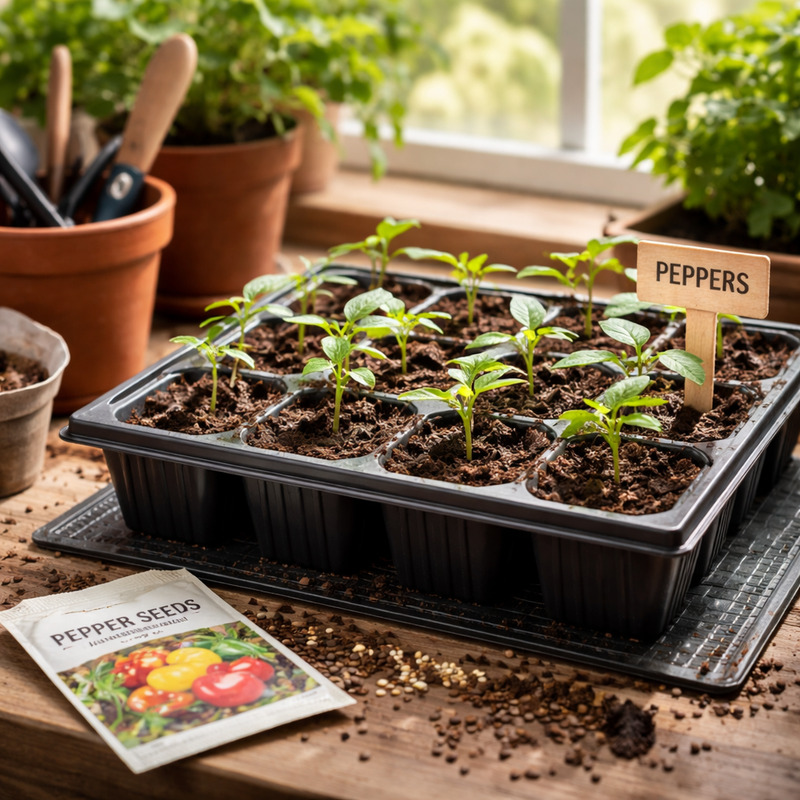
Introduction to Propogating Peppers
If you want an affordable and rewarding way to grow peppers, learning how to propogate peppers from seeds is one of the best gardening skills you can develop. Starting peppers from seed gives you access to more varieties, stronger plants, and the satisfaction of growing your crop from the very beginning.
Many gardeners assume peppers are difficult to start from seed, but the process is actually simple when you follow the right steps. With proper timing, good soil, and the right growing conditions, you can successfully propogate peppers from seeds and enjoy a thriving pepper harvest later in the season.
Whether you are planting sweet bell peppers, spicy chili peppers, or unique heirloom varieties, this guide will walk you through everything you need to know.
Why Grow Peppers from Seeds
Growing peppers from seeds offers several advantages compared to buying starter plants from a garden center.
First, seeds provide a much wider selection of pepper varieties. Garden stores often carry only a few types of pepper plants, but seed catalogs offer hundreds of options including rare heirlooms and specialty peppers.
Second, starting from seed is far more cost effective. A single packet of seeds can produce dozens of plants, while store-bought seedlings can cost several dollars each.
Another advantage is stronger root development. When you propogate peppers from seeds and grow them indoors first, the plants develop healthier root systems and adapt better when transplanted outdoors.
Finally, growing peppers from seed allows you to control the entire growing process, ensuring your plants are raised in healthy soil and chemical-free conditions.

Choosing the Right Pepper Seeds
The first step when learning how to propogate peppers from seeds is selecting quality seeds. You can purchase seeds from garden centers, seed catalogs, or trusted online suppliers.
Choose varieties that match your growing conditions and preferences. Some gardeners prefer sweet peppers such as bell peppers or banana peppers, while others enjoy hot peppers like jalapeños or habaneros.
Pay attention to the number of days to maturity listed on the seed packet. If you live in an area with a shorter growing season, faster-maturing varieties may perform better.
Always check that seeds are fresh. Pepper seeds usually remain viable for two to three years, but newer seeds tend to germinate more reliably.
When to Start Pepper Seeds
Timing is important when you propogate peppers from seeds. Peppers need a long growing season, which means they should be started indoors before outdoor temperatures are warm enough for planting.
Most gardeners begin pepper seeds about eight to ten weeks before the last expected frost date in their region. Starting seeds early gives the plants enough time to grow strong before transplanting them outdoors.
Peppers thrive in warm conditions, so avoid planting seeds too early unless you have proper lighting and indoor growing space. Healthy seedlings need warmth and light to develop properly.
Preparing Soil and Containers
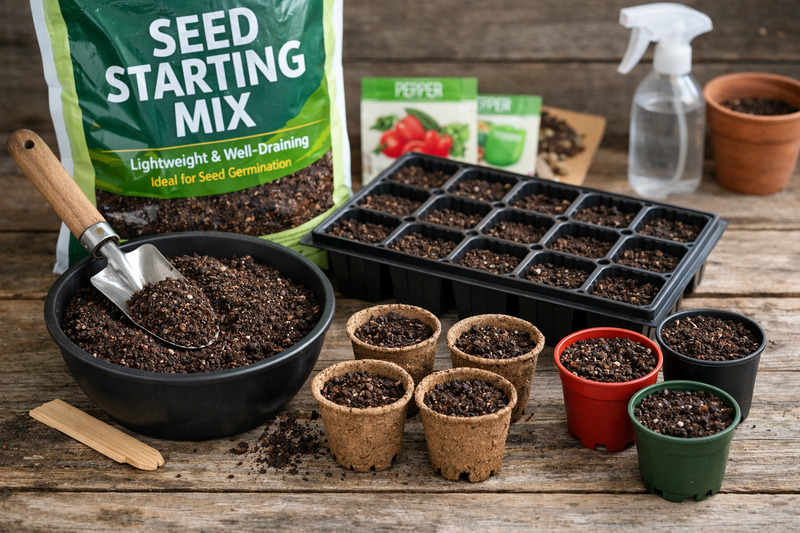
The next step to propogate peppers from seeds is preparing suitable soil and containers.
Use a lightweight seed-starting mix rather than regular garden soil. Seed-starting mixes provide better drainage and prevent compacted soil that could harm delicate seedlings.
Choose containers with drainage holes. Seed trays, small pots, or biodegradable starter pots all work well for pepper seeds.
Fill the containers with the seed-starting mix and lightly moisten the soil before planting. The soil should be damp but not soaked.
Planting Pepper Seeds
Planting seeds is one of the easiest parts when you propogate peppers from seeds.
Place one or two seeds in each container and cover them with about one-quarter inch of soil. Pepper seeds do not need to be planted deeply, but they should be lightly covered to retain moisture.
After planting, gently water the soil so the seeds settle into place. Avoid heavy watering that might wash the seeds away.
To help retain moisture during germination, many gardeners cover seed trays with a humidity dome or plastic wrap. Once seedlings begin to emerge, remove the covering to prevent excess moisture buildup.
Providing Warmth and Light
Pepper seeds germinate best in warm temperatures between 70 and 85 degrees Fahrenheit. If your indoor environment is cool, using a seedling heat mat can significantly improve germination rates.
Most pepper seeds sprout within 7 to 14 days under ideal conditions. Once seedlings appear, they need plenty of light to grow strong and healthy.
Place seedlings near a bright window or under grow lights for 12 to 16 hours each day. Insufficient light can cause seedlings to become weak and leggy.
Rotating containers occasionally helps ensure even growth on all sides of the plants.
Caring for Pepper Seedlings
Proper care is essential after you propogate peppers from seeds and seedlings begin growing.
Keep the soil slightly moist but not overly wet. Watering from the bottom of the tray can help prevent disturbing young roots and reduce the risk of fungal problems.
As seedlings grow, thin them so only the strongest plant remains in each container. This prevents overcrowding and allows each plant to develop properly.
Once the seedlings develop two to three sets of true leaves, they may benefit from a mild liquid fertilizer diluted to half strength. This provides nutrients to support continued growth.
RELATED: Gardening Tips for Sweet Peppers that Actually Work
Transplanting Pepper Seedlings
When outdoor temperatures are consistently warm, it is time to prepare your pepper plants for transplanting.
Before moving seedlings outside, they need to be hardened off. Hardening off is the process of gradually introducing plants to outdoor conditions. Start by placing seedlings outdoors in a sheltered area for a few hours each day, slowly increasing exposure over about one week.
After hardening off, transplant the peppers into your garden or larger containers. Choose a sunny location with well-drained soil, as peppers require at least six to eight hours of sunlight daily.
Space plants about 18 to 24 inches apart so they have room to grow.
Water the plants thoroughly after transplanting and add mulch around the base to help retain soil moisture.
Common Mistakes to Avoid
When learning how to propogate peppers from seeds, a few common mistakes can slow progress.
One frequent issue is planting seeds too deeply. Pepper seeds only need light coverage with soil, and deeper planting may delay germination.
Another mistake is providing insufficient light. Weak lighting can result in tall, fragile seedlings that struggle once transplanted outdoors.
Overwatering is another common problem. While seedlings need moisture, constantly wet soil can lead to root rot or fungal diseases.
Finally, transplanting seedlings too early can shock plants. Always wait until temperatures are reliably warm before moving peppers outside.
Conclusion
Learning how to propogate peppers from seeds is a rewarding process that allows gardeners to grow a wide variety of peppers while saving money. With proper timing, quality soil, warm temperatures, and consistent care, pepper seeds can develop into strong, productive plants.
Starting peppers from seed also gives you greater control over the growing process, allowing you to nurture healthy plants from the very beginning of their life cycle. By following the steps outlined in this guide, even beginner gardeners can successfully propogate peppers from seeds and enjoy a thriving harvest.
With patience and the right conditions, those tiny seeds will soon transform into vibrant pepper plants that produce delicious peppers throughout the growing season.