
This post contains affiliate links, which means I will make a commission at no extra cost to you should you click through and make a purchase. As an Amazon Associate I earn from qualifying purchases.
Best Garden Plants For Beginners — a practical guide to easy outdoor plants, simple tools, and essential tips to help new gardeners grow with confidence.
Best Garden Plants For Beginners
Starting your first outdoor garden can feel overwhelming, but it doesn’t have to be. With the right plant choices and a few basic tools, beginners can create a thriving, low-maintenance garden that builds confidence season after season. The key is to start simple, choose forgiving plants, and focus on learning the fundamentals of soil, sunlight, and watering.
Why Plant Choice Matters
Not all plants are beginner-friendly. Some require constant attention, precise watering schedules, or specific soil conditions. As a new gardener, choosing hardy, adaptable plants gives you a better chance of success. These plants tolerate minor mistakes and still produce satisfying results, whether that’s colorful blooms, fresh herbs, or homegrown vegetables.
Best Outdoor Plants for Beginners
Easy Flowers to Grow
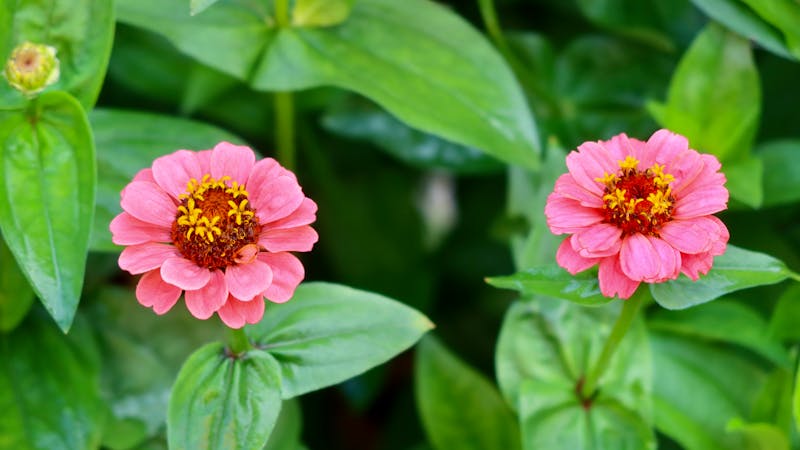
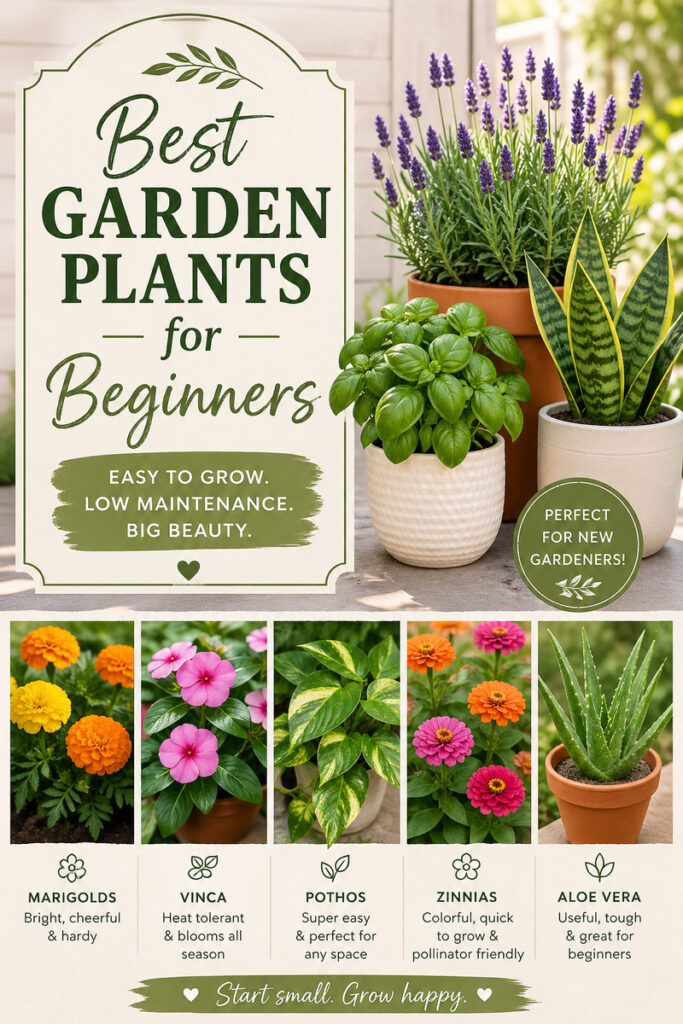
Marigolds are one of the most reliable flowers for beginners. They grow quickly, tolerate poor soil, and naturally repel some garden pests. Zinnias are another excellent choice, offering bright blooms that thrive in full sun and require minimal care. Sunflowers are perfect if you want something dramatic and fast-growing, especially for kids or first-time gardeners.
Beginner-Friendly Vegetables
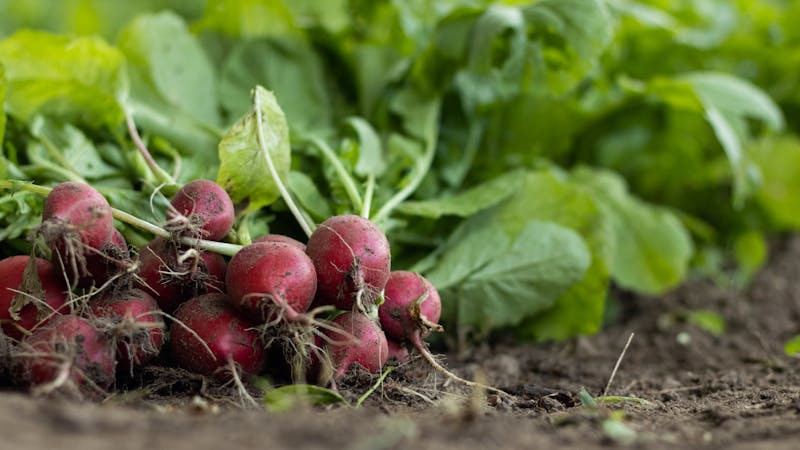
If you want to grow food, start with vegetables known for their resilience. Tomatoes are a favorite, especially cherry varieties, which produce abundantly and are easier to manage than larger types. Lettuce grows quickly and can be harvested multiple times throughout the season. Radishes are one of the fastest crops, often ready in just a few weeks, making them ideal for building confidence early on.
Herbs That Practically Grow Themselves
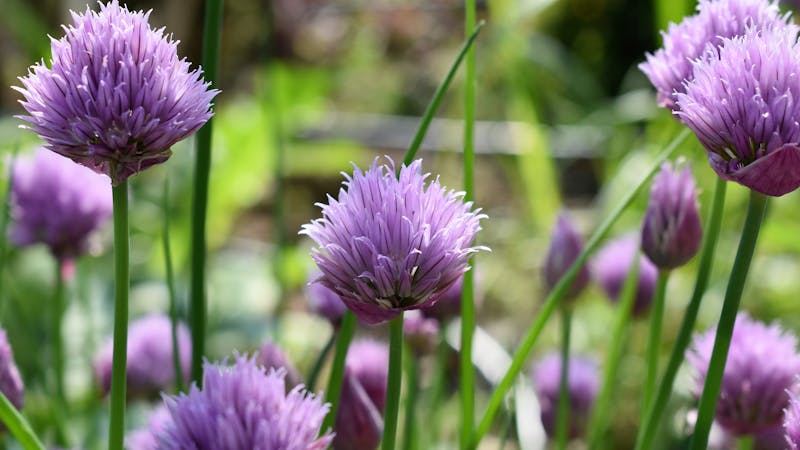
Herbs are some of the easiest plants to maintain outdoors. Basil thrives in warm weather and pairs well with many meals. Mint is extremely hardy, though it’s best planted in containers to prevent it from spreading too aggressively. Chives and parsley are also low-maintenance and can handle a range of growing conditions.
Understanding the Basics
Sunlight
Most beginner plants need at least six hours of sunlight per day. Pay attention to where the sun hits your yard throughout the day before planting. If your space is shaded, look for plants labeled as “partial shade” or “shade tolerant.”
Soil
Healthy soil is the foundation of any successful garden. Start with well-draining soil and mix in compost to improve nutrients. You don’t need to overcomplicate this step—store-bought garden soil or raised bed mix works perfectly for beginners.
Watering
Overwatering is one of the most common mistakes new gardeners make. Most plants prefer deep, less frequent watering rather than a light daily sprinkle. Check the top inch of soil—if it feels dry, it’s time to water.
Essential Tools for Beginners
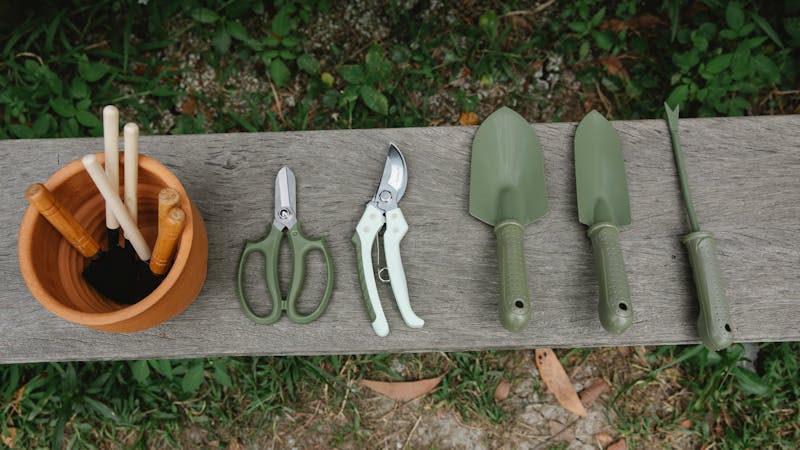
You don’t need a shed full of equipment to get started. A few basic tools will cover most gardening tasks. A hand trowel is useful for planting and digging small holes. A watering can or garden hose with a gentle spray setting helps control water flow. Gardening gloves protect your hands and make the work more comfortable. Pruning shears are helpful for trimming herbs, flowers, and small branches.
As you gain experience, you can expand your tool collection, but starting simple keeps the process approachable and affordable. This rust proof set is a great option.
Simple Tips for Success
Start small. It’s tempting to plant a large garden right away, but a few containers or a small plot is easier to manage and less overwhelming. Choose a mix of plants so you can learn what works best in your space. Pay attention to spacing instructions on plant labels to avoid overcrowding.
Consistency matters more than perfection. Check your garden regularly, remove weeds as they appear, and watch for signs of pests or disease. Even spending just a few minutes a day can make a big difference.
Don’t be afraid to make mistakes. Gardening is a learning process, and every season brings new lessons. Plants are surprisingly resilient, and even experienced gardeners deal with setbacks.
Creating a Beginner-Friendly Garden Layout
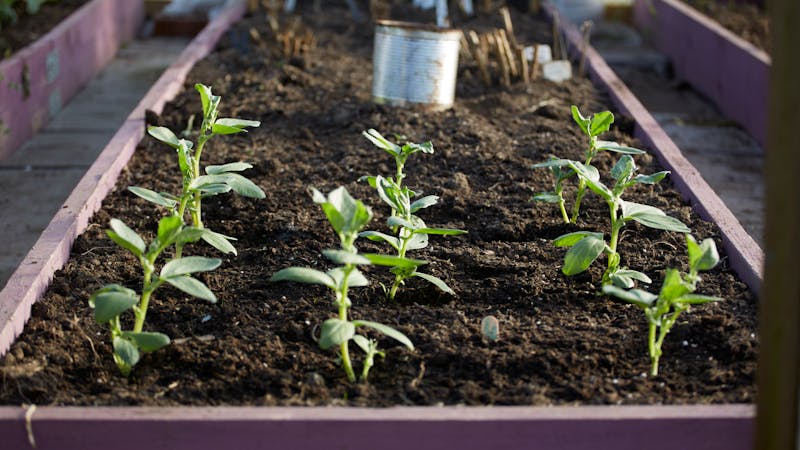
Raised beds and containers are excellent options for beginners. They offer better control over soil quality and drainage, and they reduce the need for heavy digging. Group plants with similar sunlight and water needs together to simplify care. Keep frequently harvested plants like herbs and lettuce close to your home for easy access.
Conclusion
The best garden plants for beginners are those that grow easily, adapt well, and reward your efforts quickly. By choosing simple flowers, hardy vegetables, and low-maintenance herbs, you set yourself up for success from the start. Focus on the basics—sunlight, soil, and watering—and build your skills gradually. With a little patience and consistency, your outdoor garden will become a productive and enjoyable space you can expand year after year.