
This post contains affiliate links, which means I will make a commission at no extra cost to you should you click through and make a purchase. As an Amazon Associate I earn from qualifying purchases.
Learn the best companion plants for rhubarb to improve garden harvests, reduce pests naturally, and create a healthier, more productive vegetable garden season after season.
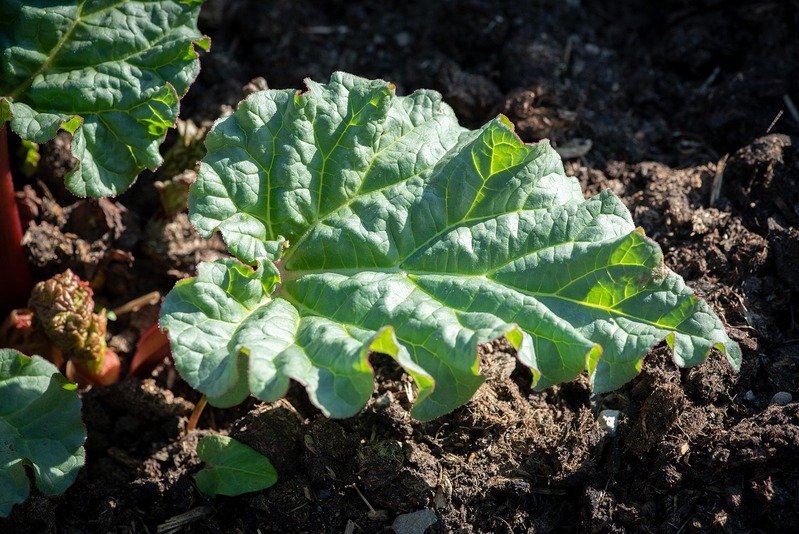
Companion Plants For Rhubarb To Improve Garden Harvest
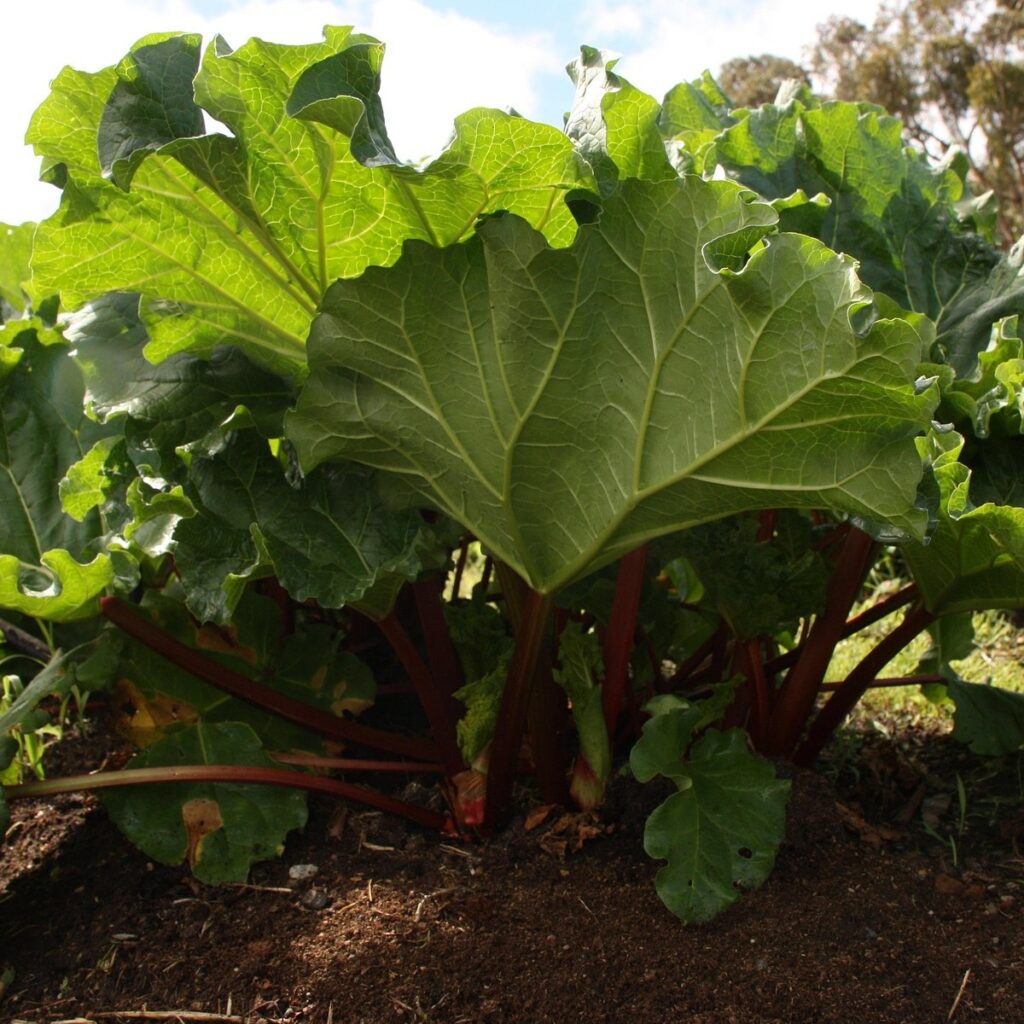
Rhubarb is one of those dependable garden plants that quietly returns year after year with very little fuss. Once established, it can provide decades of harvests while adding bold color and texture to the garden. But even hardy plants like rhubarb can benefit from the right neighbors.
Choosing companion plants for rhubarb can help improve soil quality, reduce pests, maximize garden space, and encourage healthier growth throughout the growing season. Pairing compatible plants together is a simple gardening method that supports a more balanced and productive garden without relying heavily on chemicals or complicated techniques.
Whether you are growing rhubarb in a traditional vegetable garden, a raised bed, or alongside ornamental plants, thoughtful companion planting can make a noticeable difference in both plant health and harvest size.
Why Companion Planting Matters
Companion planting is the practice of growing certain plants near each other for mutual benefits. Some plants help deter pests, while others improve soil conditions or attract beneficial insects. Certain plant combinations can even help shade roots, suppress weeds, or improve moisture retention.
Rhubarb especially benefits from companion planting because it is a long-term perennial. Since it stays in the same location for many years, choosing the right neighboring plants helps create a stable and supportive growing environment over time.
Good companion plants for rhubarb should:
- Have similar watering needs
- Avoid competing heavily for nutrients
- Help repel common pests
- Grow well in partial sun or nearby garden conditions
- Support soil health and biodiversity
Best Companion Plants For Rhubarb
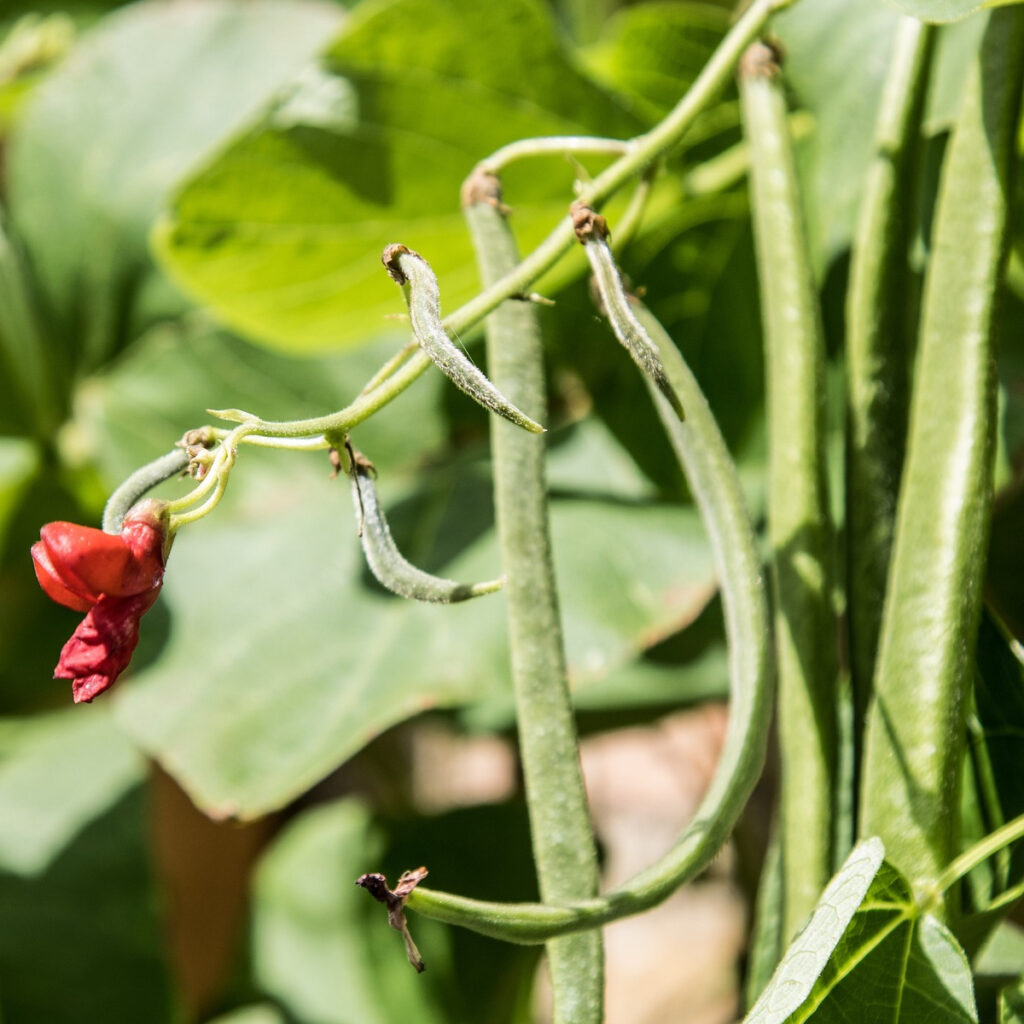
Beans
Beans are one of the most commonly recommended companions for rhubarb. Pole beans and bush beans both help enrich the soil with nitrogen, which benefits surrounding plants naturally.
Nitrogen is essential for strong leafy growth, and rhubarb thrives in nutrient-rich soil. Since rhubarb is a heavy feeder, having nitrogen-fixing plants nearby can support healthier stalk production over time.
Beans also do not aggressively compete with rhubarb roots, making them an easy addition nearby.
Garlic
Garlic is an excellent companion plant because its strong scent may help deter pests that can bother rhubarb plants. Aphids and certain beetles are less likely to linger around strong-smelling alliums.
Garlic also takes up very little space in the garden, which makes it useful for planting around the borders of rhubarb beds.
As an added bonus, garlic is harvested at a different time than rhubarb, helping maximize garden productivity without overcrowding.
Onions
Like garlic, onions can help discourage pests while fitting neatly into unused garden spaces around rhubarb plants.
Their shallow root systems usually do not interfere heavily with rhubarb’s larger crown and root structure. Green onions and bunching onions are especially useful in smaller garden beds.
The contrasting foliage textures also create a visually attractive garden combination.
Beets
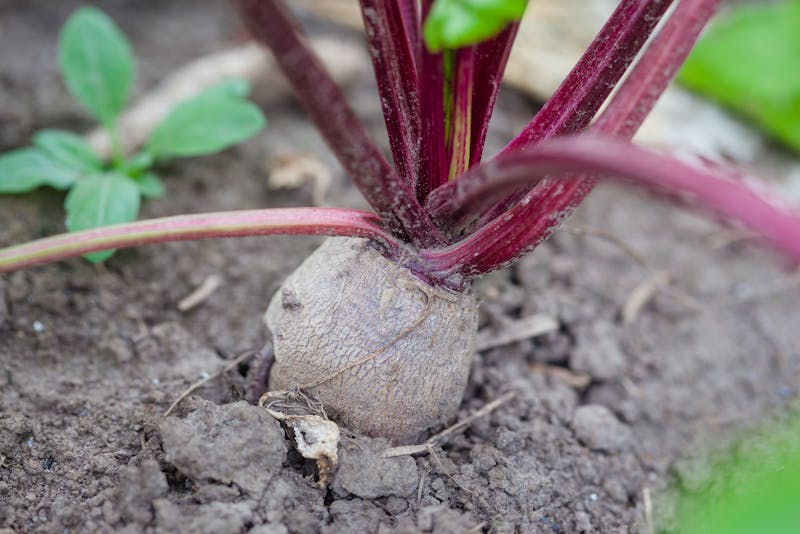
Beets and rhubarb often grow well together because they occupy different levels of soil. Rhubarb has deep roots, while beets primarily develop closer to the surface.
Beets also benefit from some light shade during hotter summer weather, especially in warmer regions. Large rhubarb leaves can help provide partial afternoon protection from intense sun.
This pairing allows gardeners to make efficient use of garden space while supporting healthy root development for both crops.
Brassicas
Brassicas such as cabbage, broccoli, kale, and cauliflower can pair well with rhubarb in many gardens.
Rhubarb leaves may help shade the soil, which can keep nearby brassicas cooler during warmer periods. Some gardeners also believe rhubarb helps deter whiteflies and other insects that commonly target brassicas.
Because brassicas are heavy feeders too, adding compost regularly is important when growing these plants together.
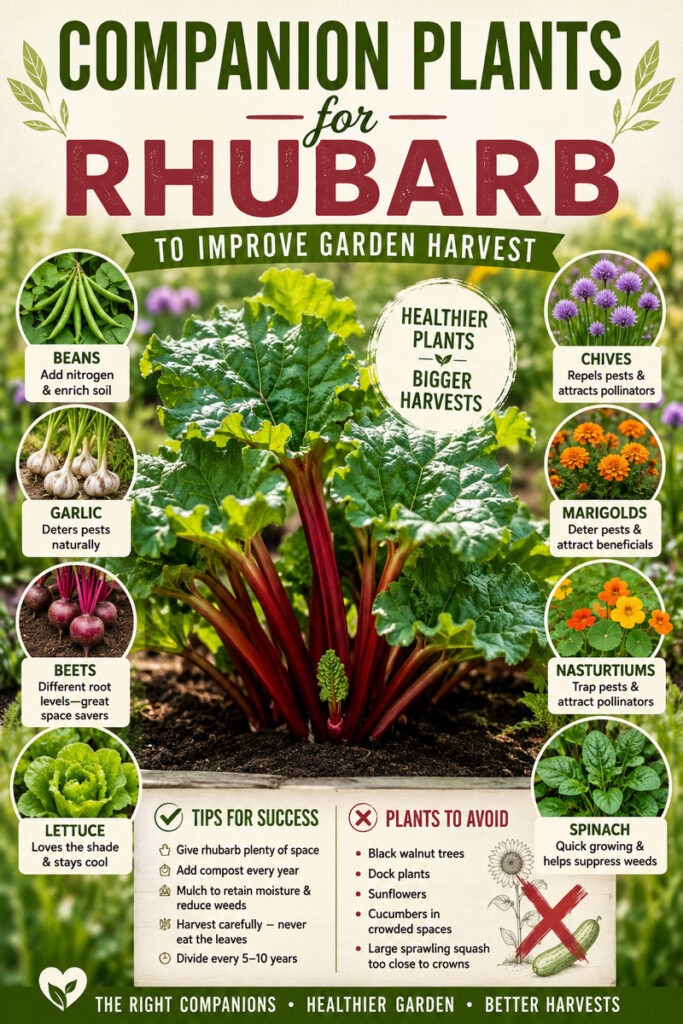
Lettuce
Lettuce is a practical companion plant for rhubarb because it enjoys cooler conditions and partial shade. Rhubarb’s large leaves can create a slightly cooler microclimate that helps lettuce avoid bolting too quickly during warm weather.
Leaf lettuce varieties work especially well around established rhubarb plants.
This combination is useful for gardeners trying to extend their spring lettuce harvests naturally.
Spinach
Spinach grows quickly and appreciates moist soil, making it another suitable partner for rhubarb.
Since spinach matures relatively early, it can often be harvested before rhubarb reaches its largest size later in the season. This helps gardeners maximize growing space without overcrowding permanent plants.
Spinach also serves as a living mulch, helping reduce weed growth around rhubarb crowns.
Herbs That Grow Well Near Rhubarb
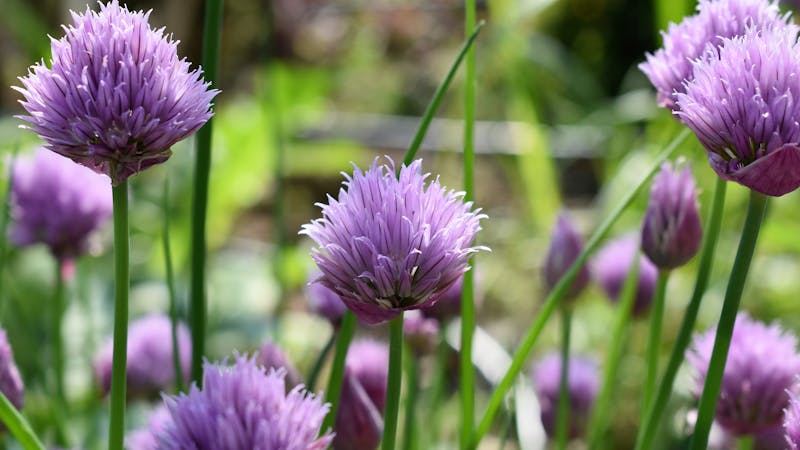
Chives
Chives are compact, easy to grow, and may help repel aphids and other garden pests.
Their purple flowers also attract pollinators and beneficial insects, which support the overall health of the garden ecosystem.
Since chives remain relatively small, they fit easily along garden edges without competing heavily with rhubarb.
Sage
Sage is another herb often used in companion planting because of its strong fragrance. Many gardeners plant sage near vegetables to discourage pest activity naturally.
Its silvery foliage also creates an attractive contrast next to rhubarb’s broad green leaves and red stalks.
Mint
Mint may help repel ants and flea beetles, though it should always be planted carefully.
Because mint spreads aggressively, it is best grown in containers placed near rhubarb instead of directly in the ground. This allows gardeners to enjoy its pest-deterring benefits without risking garden takeover.
Flowers That Benefit Rhubarb Gardens
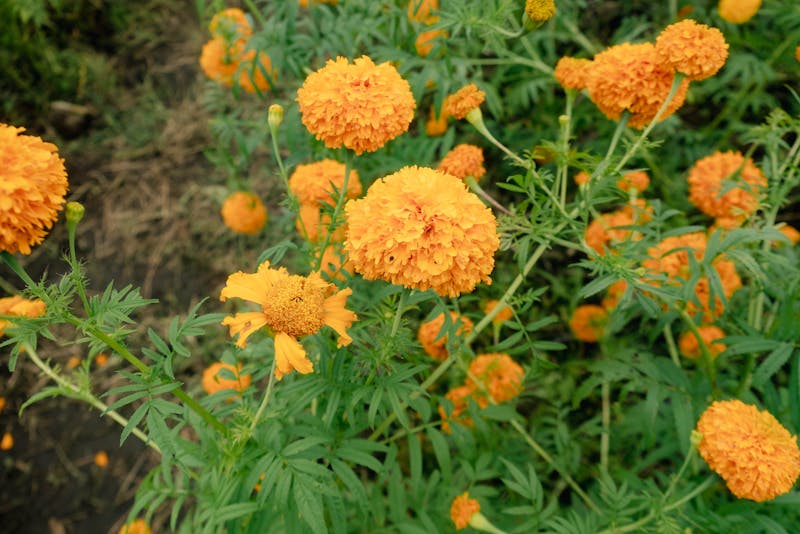
Marigolds
Marigolds are classic companion plants in vegetable gardens for good reason. They attract pollinators while helping deter certain harmful insects and nematodes.
Their bright blooms also add color and visual interest around rhubarb patches.
French marigolds are especially popular for companion planting because of their compact size and pest-repelling reputation.
Nasturtiums
Nasturtiums act as trap crops for aphids and certain beetles, helping draw pests away from nearby vegetables.
They also attract pollinators and beneficial insects while adding cheerful color throughout the growing season.
Both the flowers and leaves are edible, making them useful as well as decorative.
Calendula
Calendula flowers attract pollinators and predatory insects that help manage pest populations naturally.
Their long blooming season supports biodiversity in the garden while softening the look of large rhubarb plants.
Calendula also reseeds easily, often returning year after year with minimal effort.
Plants To Avoid Near Rhubarb
Not every plant works well beside rhubarb. Some crops compete too heavily for nutrients or create unfavorable growing conditions.
Avoid Planting Near Rhubarb:
- Black walnut trees
- Dock plants
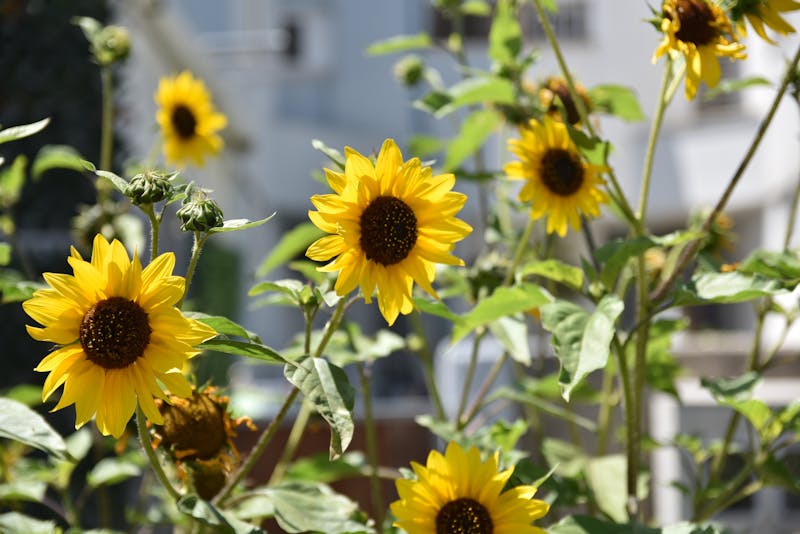
- Sunflowers
- Cucumbers in crowded spaces
- Large sprawling squash too close to crowns
Black walnut trees produce juglone, which can interfere with many garden plants. Large sprawling plants may also block airflow and overcrowd rhubarb’s growing area.
Giving rhubarb enough space is one of the best ways to maintain healthy crowns and reduce disease risk.
Tips For Growing Healthy Rhubarb
Give Rhubarb Plenty Of Space
Rhubarb plants become large over time. Crowded conditions can reduce airflow and increase moisture problems.
Leave at least 3 to 4 feet between mature plants whenever possible.
Add Compost Regularly
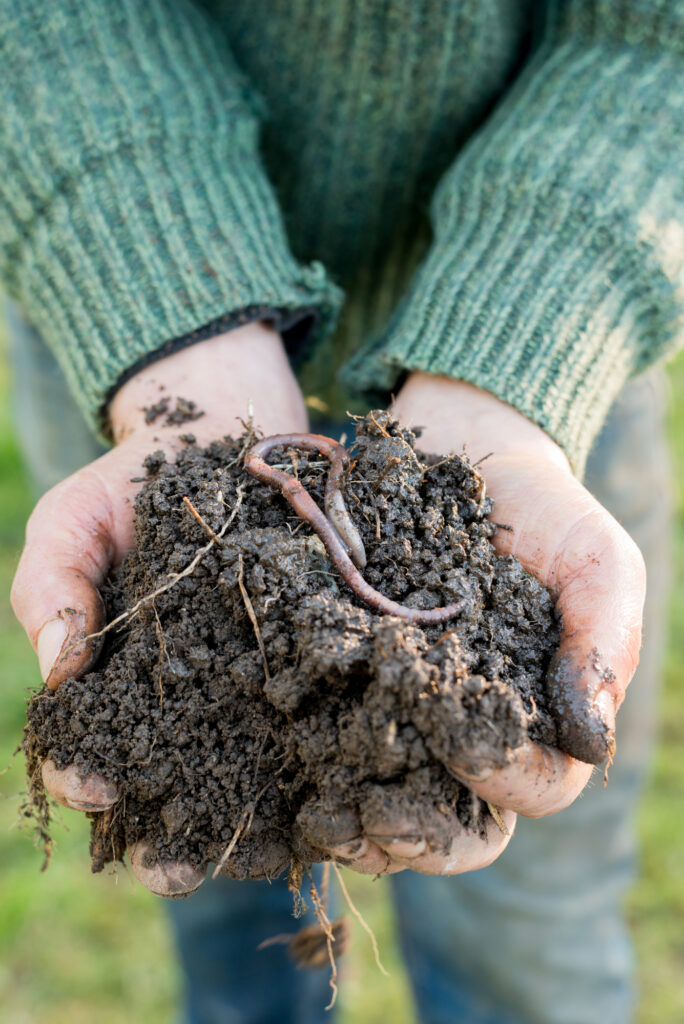
Rhubarb is a heavy feeder and benefits greatly from rich organic matter.
Adding compost annually helps maintain healthy soil while supporting larger harvests and stronger stalk growth.
Mulch Around Plants
Mulch helps retain moisture, reduce weeds, and regulate soil temperatures.
Organic mulches such as straw, shredded leaves, or bark work well around rhubarb plants.
Harvest Carefully
Avoid overharvesting young plants during the first couple of years. Mature plants can typically handle larger harvests, but leaving enough stalks behind helps maintain long-term health.
Never eat rhubarb leaves, as they contain toxic levels of oxalic acid.
Divide Older Plants
After several years, rhubarb crowns can become crowded and less productive.
Dividing plants every 5 to 10 years can rejuvenate growth and improve harvest size.
Conclusion
Choosing the right companion plants for rhubarb can help create a healthier, more productive garden while making better use of available growing space. From nitrogen-fixing beans to pest-repelling herbs and pollinator-friendly flowers, thoughtful planting combinations offer benefits throughout the entire growing season.
Rhubarb is already known for being hardy and dependable, but pairing it with compatible plants can improve soil health, reduce pest issues naturally, and encourage stronger harvests year after year.
With a little planning, your rhubarb patch can become one of the most productive and beautiful parts of your garden.